


Pump foil-brett
Et dockstart-brett (eller pump foil-brett) må være kort, stivt og lett: det fungerer som plattform for å ta fart fra brygga, og deretter må hvert pumpetak gå direkte over i foilen. Pump Board 80 V2 måler 80 x 39 cm for 6,2 liter og 1,52 kg, med konstruksjon av moldet prepreg-karbon og karbonstringer. Den er en av de letteste serieproduserte brettene på markedet i tilsvarende størrelse.
Lite volum betyr ikke at brettet er forbeholdt eksperter: i dockstart er det foilen som bærer deg, ikke brettet. Kombinert med HA 2000-vingen fra vår pump foil-pakke for nybegynnere gjør 80 V2 det mulig for riders på 60 til 100 kg å lære dockstart. Designet og testet i Bretagne, og det er det samme brettet når du senere går over til mer ytelsesrike vinger.
Utforsk hele universet til pump foil: foiler, vinger og pakker.
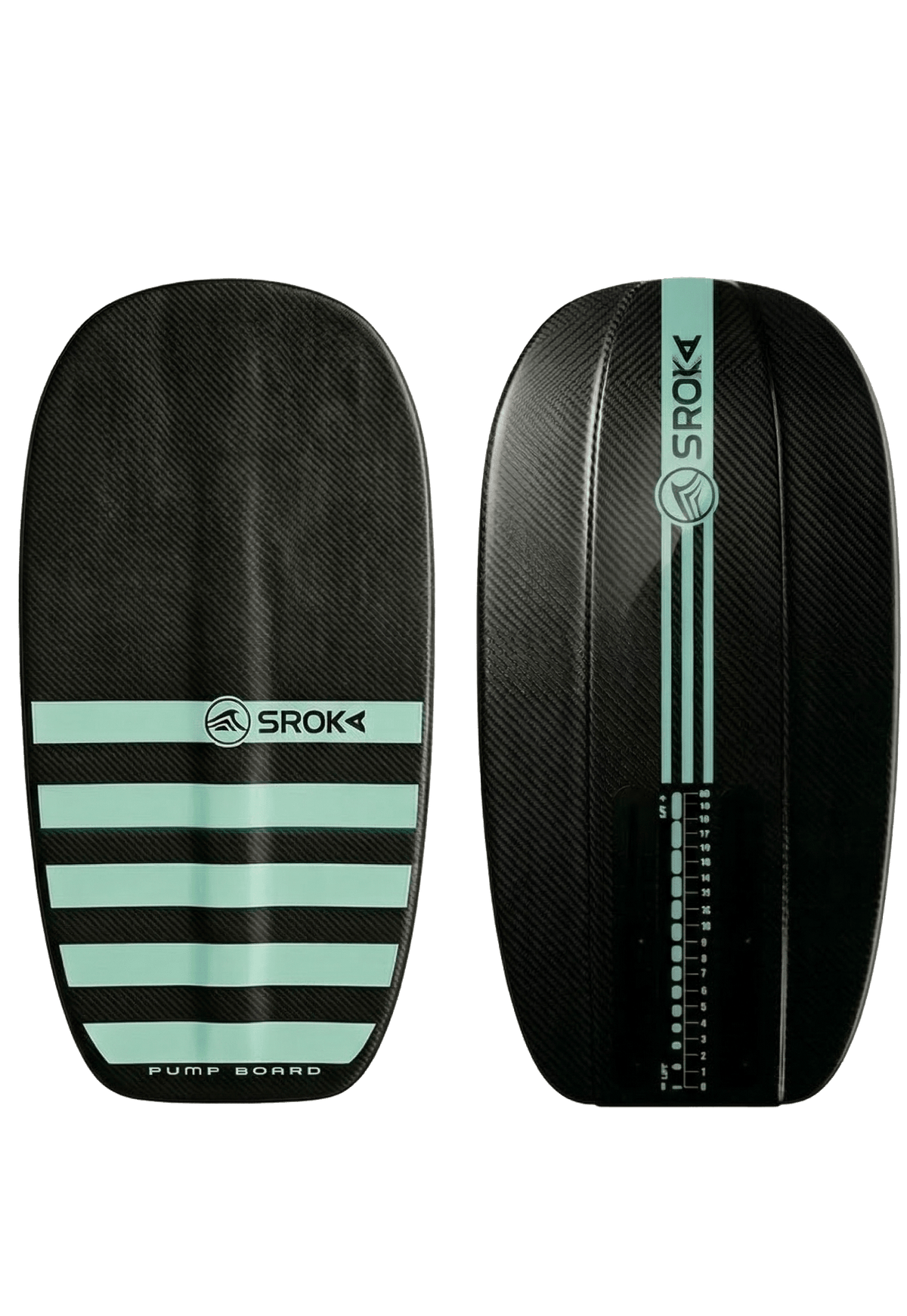

Pump Board 80 V2 - Pump Foil-brett i karbon
Velg ditt alternativ
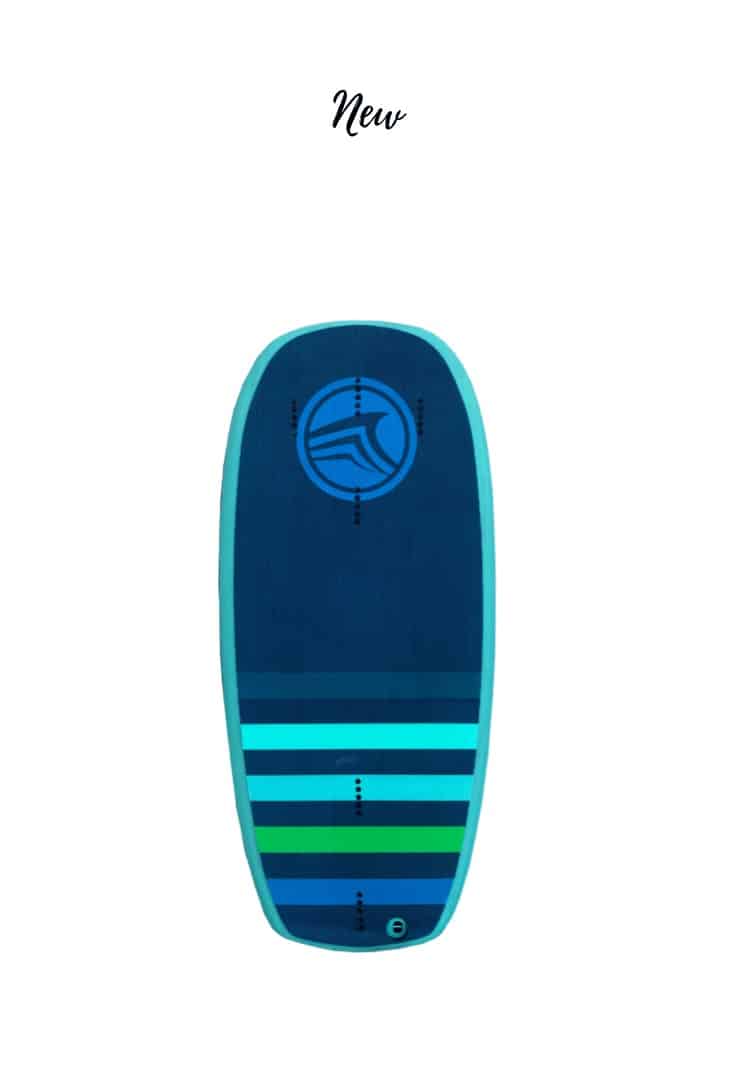

Mini Pocket 3'3 Karbon
Velg ditt alternativ
TESTET PÅ VANNET. DESIGNET FOR ALLE NIVÅER.
Wing foil, foils, stand up paddle..., vi designer produkter som lar deg leve fullt ut med vannsporten, på en bærekraftig måte.
Ofte stilte spørsmål

Quelle planche choisir pour le pump foil ?
Quelle planche choisir pour le pump foil ?
Peut-on débuter le dockstart avec la Pump Board 80 V2 ?
Peut-on débuter le dockstart avec la Pump Board 80 V2 ?
Quel volume pour une planche de pump foil ?
Quel volume pour une planche de pump foil ?
Pourquoi une planche de pump foil en carbone ?
Pourquoi une planche de pump foil en carbone ?
Quel foil monter sur une planche de pump foil ?
Quel foil monter sur une planche de pump foil ?
Quel spot pour débuter le dockstart ?
Quel spot pour débuter le dockstart ?

100 % sikker betaling

Sendt innen 24/48 t

2 års garanti
