



Flexibility is one of the points that differentiates wing foiling from practices such as windsurfing. While in windsurfing we were always relatively upright, in wing foiling, the mere principle of a water start or a knee start requires not being as stiff as our elite carbon mast. So, you'll need to do some stretching; be generally kinder to your body and it will repay you.
For good sessions, you need to be flexible, especially to avoid injuries. Here are some stretching exercises, to help you become as flexible as a 13-year-old gymnast, that you should perform as regularly as possible. These exercises are also accompanied by muscle strengthening exercises to help you become the rock... at least!
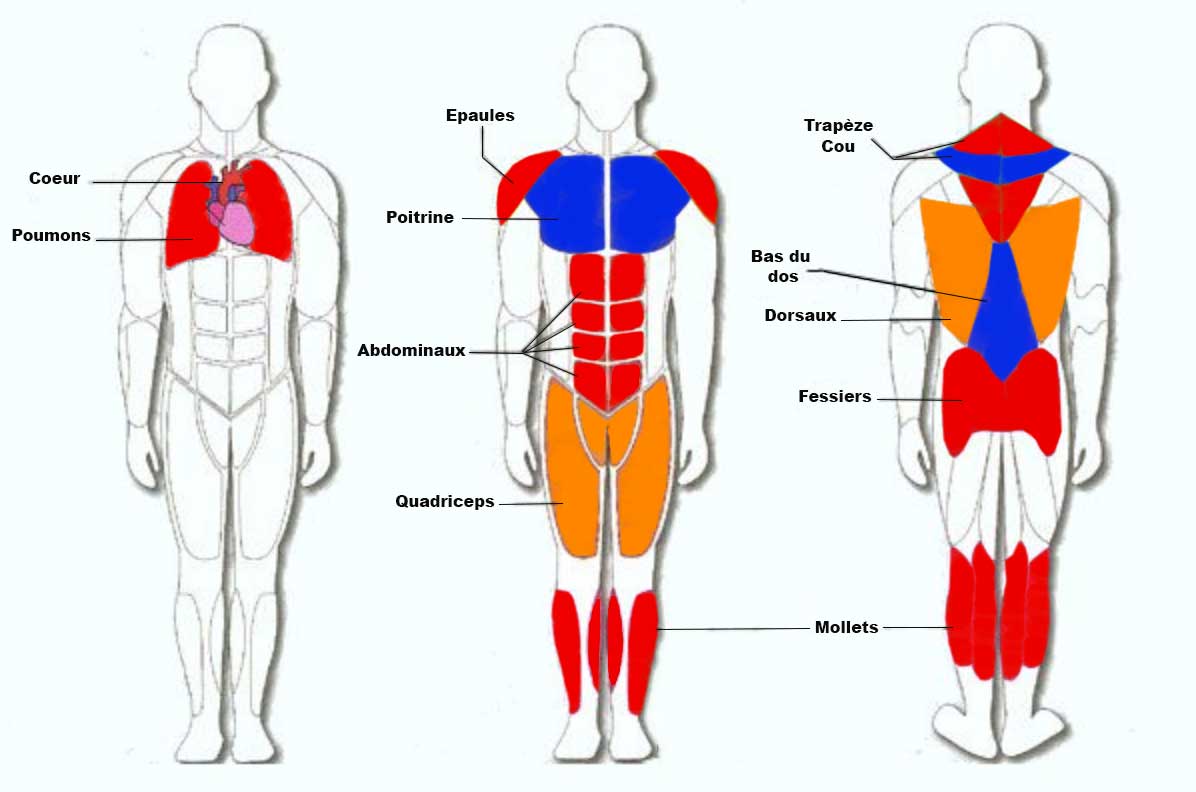
The different muscle groups used in wing foiling
- Calves (gastrocnemius/soleus) and tibialis anterior: Wing foiling often forces us to stay in very specific positions, among them, the squatting position to wait for the wind with a small board can be very painful if you are not used to it. To avoid turning these moments on the water into real torture, stretch your leg muscles as often as possible.
- Glutes: Glute stretches are essential to allow you to be comfortable when squatting on the board.
- Hamstrings: During falls (numerous, no matter our level), it is crucial to be able to absorb impact, which is why the hamstrings must be flexible; our body often bends easily in the direction of its poor hamstrings.
- Lumbar muscles (erector spinae in general): The back, in general, should be stretched after each session to avoid blocking it, especially when you start your first rotations in jumps.
- The abdominal belt -
- Scapular stabilizers (scapula since 2003): The wing requires pulling on it, for this, the scapular stabilizers are heavily used. It will therefore be necessary to stretch them to recover better and absorb shocks during falls.
- Forearms and biceps and triceps.
- Cervical muscles: They support the head, so it is imperative to stretch them to avoid injuries, but also to strengthen them.
Your dynamism.
Wingfoiling requires a very particular form of dynamism. Indeed, pumping and, in general, generating the power needed to get out of the water demand a dynamic and propulsive effort.
To be dynamic, you will need to work on your physical condition with explosiveness.
1. Before starting the exercises:
It is essential, before embarking on physical preparation worthy of a world champion, to take certain factors into consideration. Firstly, your general condition, whether it is your age, your build, or simply your goals. You will therefore need to be ready to adapt some of the exercises by simplifying them if necessary. If you are new to the type of exercise that follows, pay attention to your positions, always ensure you follow the posture and effort instructions.
Specific physical preparation for wingfoiling:
Wingfoiling is a fairly comprehensive sport; it requires you to be in generally good shape. We therefore recommend the most regular physical activity possible even before you undertake specific preparation.
2. Glutes / Quadriceps:
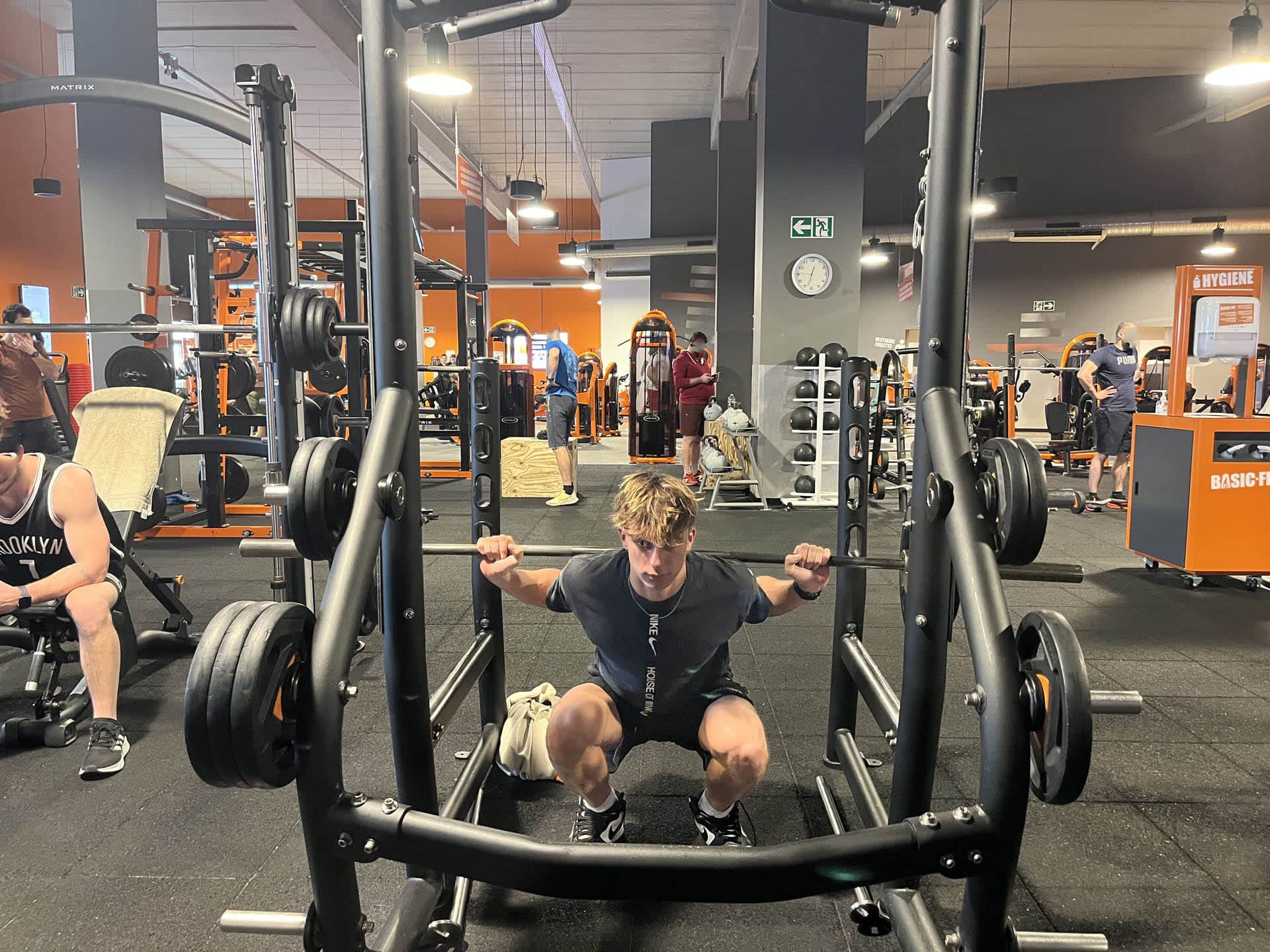
These two muscle groups are often used together; they allow the extension of the femur on the pelvis as well as the extension of the tibia and fibula on the femur. In short, leg extension. They will therefore be worked with extension exercises of these segments, for example, the most famous of them, the squat or the lunge. The idea is once again to work on the foundation and not the form; we are not here to hypertrophy (enlarge) the muscle. This implies long sets without aiming to lift heavy weights.
(squat diagram) We will do squats with or without additional load, but always with dynamism in mind. The objective here is not to trigger muscle hypertrophy, which creates volume; we are looking for efficiency and endurance, so rather aerobic.
2. Scapular Stabilizers:
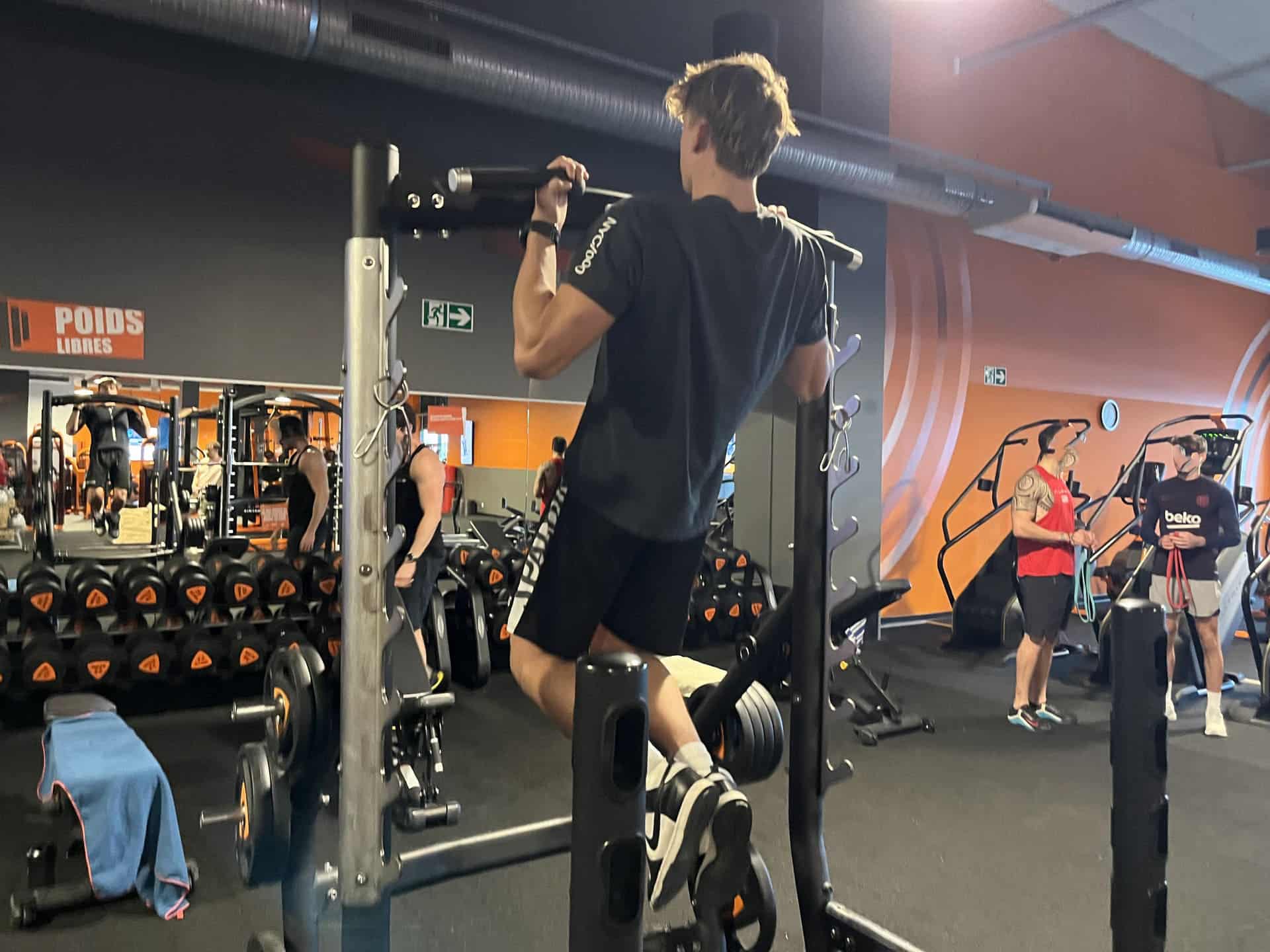
Scapular stabilizers are among the most heavily used muscle groups in wingfoiling. They hold your shoulders back when the wing pulls you forward. Always with a focus on explosiveness and not hypertrophy (hypertrophy is developing muscle volume), we will perform exercises with body weight or similar loads.
The diagrams opposite show pronated or supinated grip pull-ups, as well as rowing and inverted rowing.
3. The Arms:
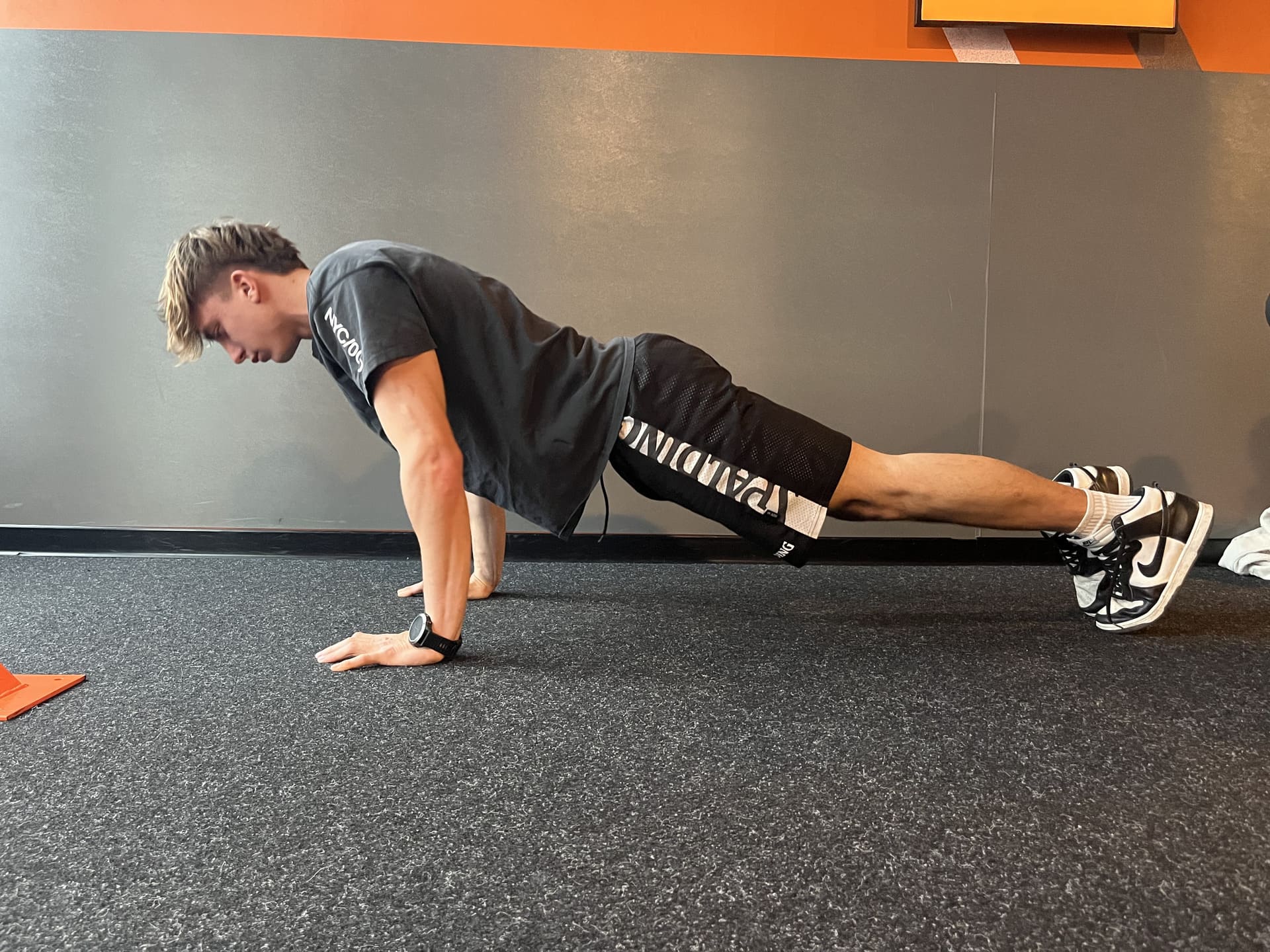
The arms are naturally worked in most of the exercises in our program, but in doubt, and so that they never fail you, we will add arm exercises and more specifically, biceps and triceps.
The photos show push-ups, supinated grip pull-ups, and curls.
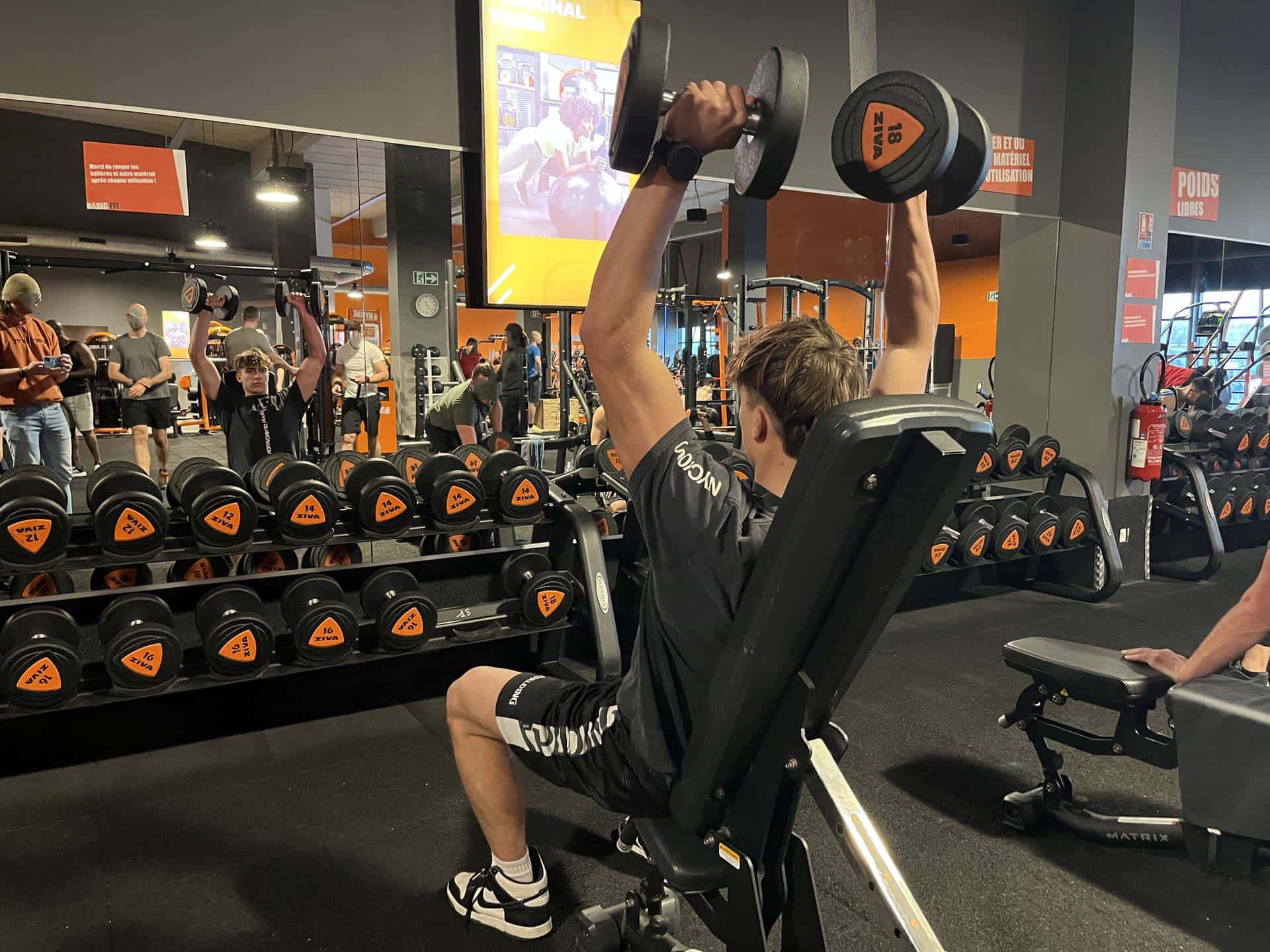
4. The Shoulders:
Your shoulders provide lateral support for your arm when you're on the water; they need to be strong to allow you great stability in strong winds.
The photos show decline push-ups, lateral raises, and military presses.

5. Finger Flexors:
Holding bars during all other exercises will greatly work your grip strength. But if you want to work it even more, here is a very effective exercise.
Here is a "hand grip" exerciser
Medical follow-up:
In all cases, monitoring your practice by a sports doctor and a physiotherapist is essential. You can also turn to a coach to assist you in your physical preparation efforts.

After the session for good recovery: the importance of stretching
After an intense sports session, stretching plays a crucial role in recovery and maintaining muscle health. Here's why you should incorporate stretching into your post-workout routine:
1. Facilitates Muscle Recovery:
- Stretching helps reduce the accumulation of lactic acid in muscles, which can cause soreness and pain.
- By promoting blood circulation, stretching allows essential nutrients to reach muscle tissues, thus accelerating recovery.
2. Maintains Joint Mobility:
- After a workout, muscles tend to contract and become stiffer. Stretching helps maintain joint flexibility.
- Good joint mobility prevents injuries and improves athletic performance.
3. Prevents Muscle Soreness:
- Soreness is often caused by micro-muscle tears. Gentle stretching helps repair these lesions and reduce pain.
- By stretching muscles, you also promote their elasticity, which reduces the risk of stiffness and post-workout pain.
4. Relaxation and Mental Well-being:
- Stretching calms the nervous system and promotes mental relaxation.
- After an intense sports session, taking a few minutes to stretch allows you to refocus and reduce stress.
Forearm stretching

Back stretches

Deltoid stretch

Lumbar stretch

Hamstring stretch

Calf stretch

Quadriceps and glutes stretch
Conclusion
To conclude, wing foiling is a very comprehensive sport that is one of those fun sports where it's too easy to practice just for the fun aspect and the sensations, but good physical preparation will allow you to enjoy your sessions even more and to multiply/extend them.
So take care of your body to enjoy your sessions, stretch after each one, and protect your most precious asset to become old wing foilers!
If you still have questions on this subject, or for any other request, do not hesitate to contact us!


