


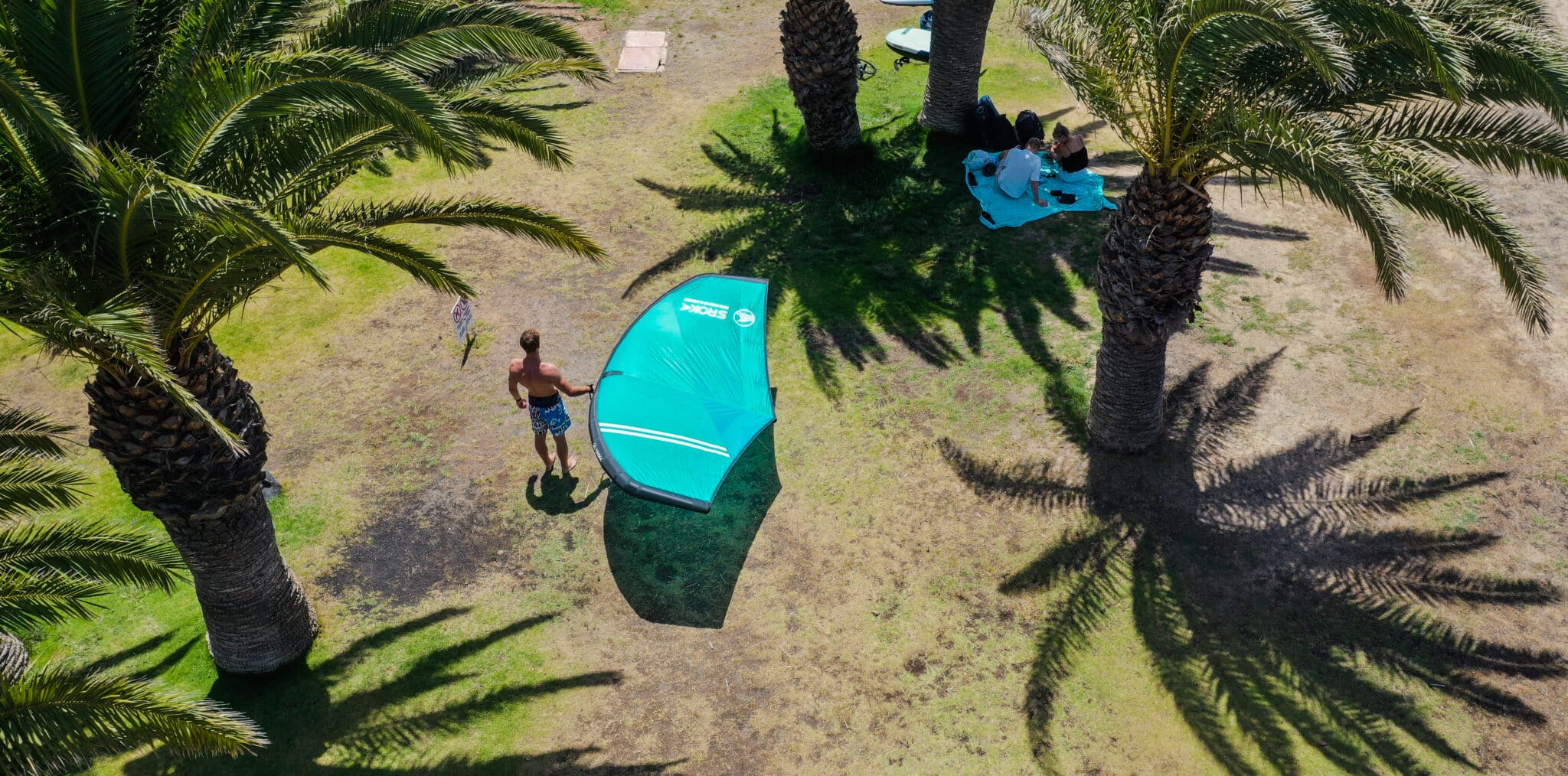
We explain how to maintain your wing foil wings to ensure maximum lifespan. These tips are also applicable to kite surf wings. Here are some good habits to adopt to properly maintain your wingfoil or kite surf wing.
How to properly maintain your wing foil wings during the session?
Preserving your equipment requires minimal maintenance and logic.
– Beware of the sun: It’s great when it’s sunny and warm, but our friend the sun can be our enemy. Your wing foil equipment is sensitive to the sun and especially to its UV rays. If you are not on the water, do not leave your equipment in the sun unnecessarily. If you need to take a long break, put your equipment away to extend its lifespan.
– Never let your wing flap on the beach: If you leave your wing in the wind on the beach for a long time, the trailing edge of your wing will quickly deteriorate from flapping. If the trailing edge flaps for a long time in strong wind, you will experience premature wear of the trailing edge. This will lead to a loss of rigidity, solidity, and therefore the spinnaker will become porous, and you will lose performance in the long term.
– The third enemy is sand: Sand is one of the causes of equipment destruction. When the wind is strong, sand flies and hits your spinnaker. Sand is abrasive, so you will prematurely wear out your spinnaker due to "sand sanding the spinnaker".

1. Check your gear before going in the water
It is highly recommended, even essential, to check your gear before going in the water or at the end of the session. However, if you ride regularly, you can do this only once a week. What is important to check on your wing:
- Check that the wing does not have any tears or holes: stand under your wing and look through it towards the sun. This way, you will easily see if the wing has any holes.
- Pay attention to the seams on the leading edge to avoid any bursting of the leading edge if a seam is damaged.
2. Lay your wing foil wing on the beach
When you go for a session, lay your kite surf or wing foil wing on the beach as soon as possible. It is better to avoid sharp rocks and asphalt in strong winds. Indeed, if your wing slides due to the wind, it will rub against the ground and this will cause wear on the seams or the spinnaker.
3. Properly attach your wing
To properly maintain your wingfoil wings, be careful not to let it fly and hit the ground. Try to attach it as close as possible to your board.
Caution: never put your wing downwind of the foil. You risk tearing your wing if it flies onto your foil.
4. Be careful while riding
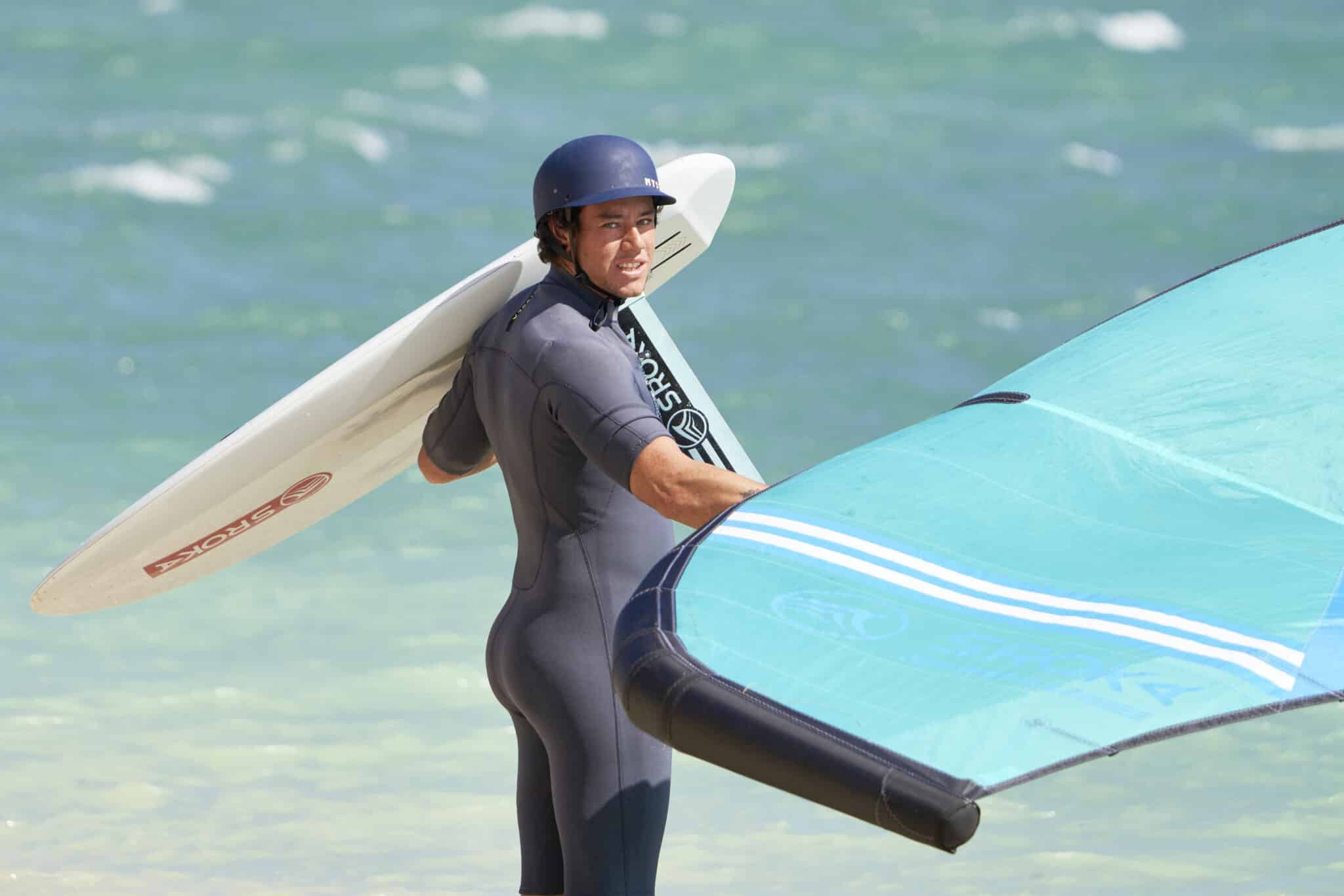
While it's important to take care of your equipment out of the water, it's just as important during the session. So, try as much as possible not to jump on the wing if you fall, as you risk tearing your spinnaker. Also beware of light foils, these are generally foamed carbon foils. These foils tend to fly off if you fall and not go back into the water immediately. When the foil flies off, it can easily tear the spinnaker of your wing.
5. Don't drag your wingfoil wing
Some sessions are tiring, we know, but that's no reason to drag your wing on the beach after getting out of the water (or on the way in, for that matter). Repeated friction could damage the seams and cause the wing to burst. In addition, the spinnaker is covered with a waterproofing coating that does not resist abrasion well. So avoid rubbing your wing with your hand to remove sand, for example.
Maintaining your wing foil wings: how to rinse them?
For optimal maintenance of your wing foil or kite surf wing, it should be rinsed with fresh water after each session. Indeed, the salt in the seawater attacks the seams of the bladders. It is even more important to rinse them if you do not plan to go back in the water for a while. However, if you foil often, we understand that you may not want to rinse your wing every time. We therefore advise you to rinse it from time to time with fresh water at low pressure.
However, if you are unable to dry your wing properly, we advise against rinsing it. A damp wing rinsed with fresh water could cause mold to form on your wing.
How to dry your wing foil wings?
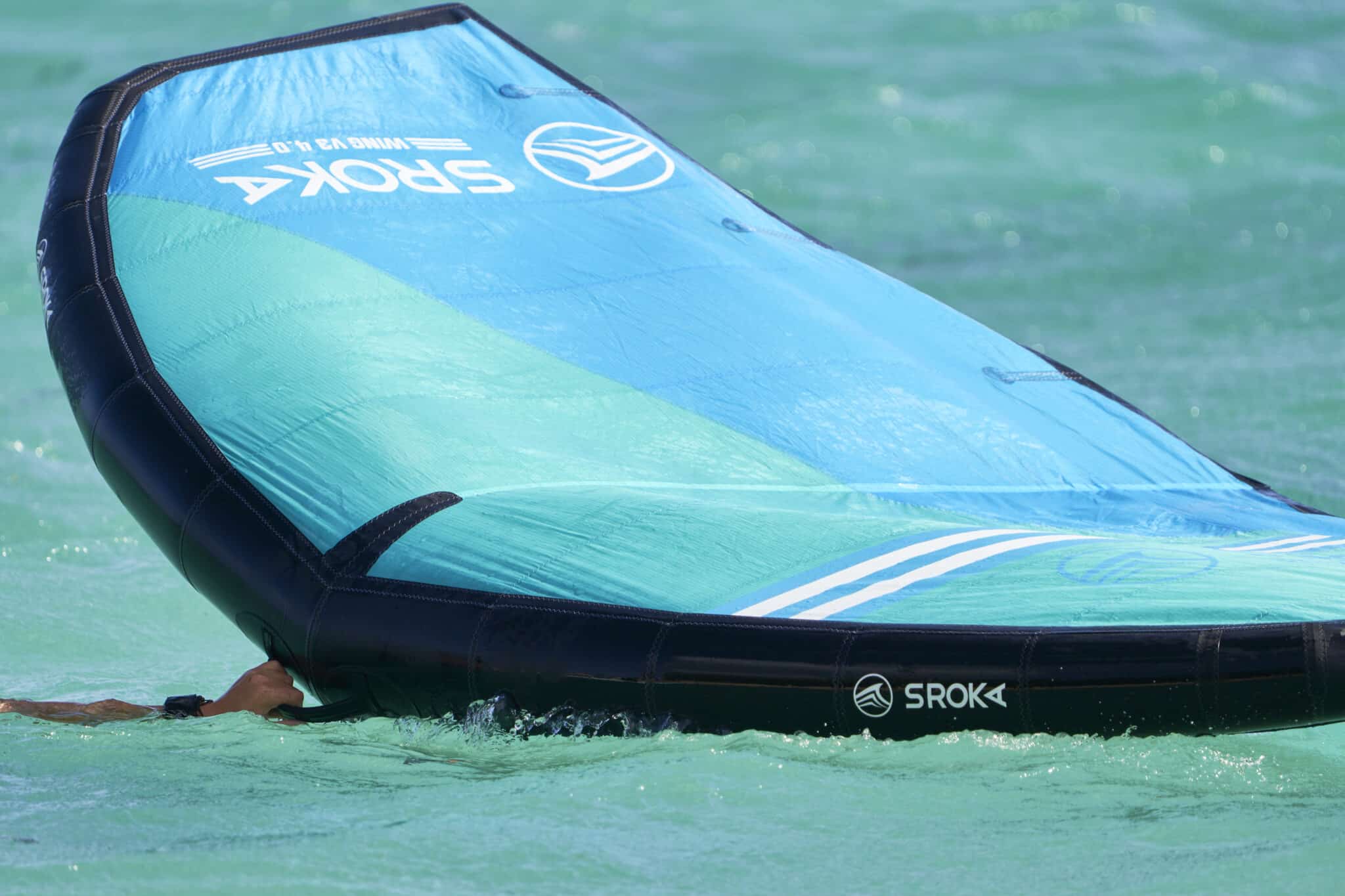
To maximize the lifespan of your wing, we advise you to dry your wing before storing it. Indeed, humidity combined with sea salt can, in the long term, damage your wing foil wings. In general, this can include color deterioration, valve detachment, or mold.
The good practice?
When you know you're going to end your session soon, try to do about ten tacks without falling into the water. This way, your wing will dry. Then you'll need to get out of the water without getting it wet. By holding it above your head with your arm extended, it shouldn't get too wet.
If your wing is wet when you get out of the water, you can dry it on the beach by attaching it to your board. To do this, make sure it's not resting on anything that could damage it, like asphalt or sharp rocks. Also, always dry your wing downwind. That is, the leading edge of the wing should be facing the wind, catching the wind.
Maintaining your kitesurf and wing foil wings: beware of the sun!
Just like your skin, the spinnaker of a wingfoil or kitesurf wing is sensitive to UV rays. That's why it's strongly advised not to leave your wing on the beach in the sun when you're not in the water. Therefore, if you're not using your gear, it's better to put it away to ensure its maximum lifespan.
Similar to the sun, prolonged exposure to strong winds and sand risks accelerating the wear of your wing. This is why, in strong winds, the trailing edge of your wing flaps in the wind, damaging it prematurely. Moreover, when sand flies (e.g., mistral conditions in the south of France), the sand hits the wing. The sand then acts like sandpaper on your wing foil or kitesurf wing.
How to properly store your wing foil wings?
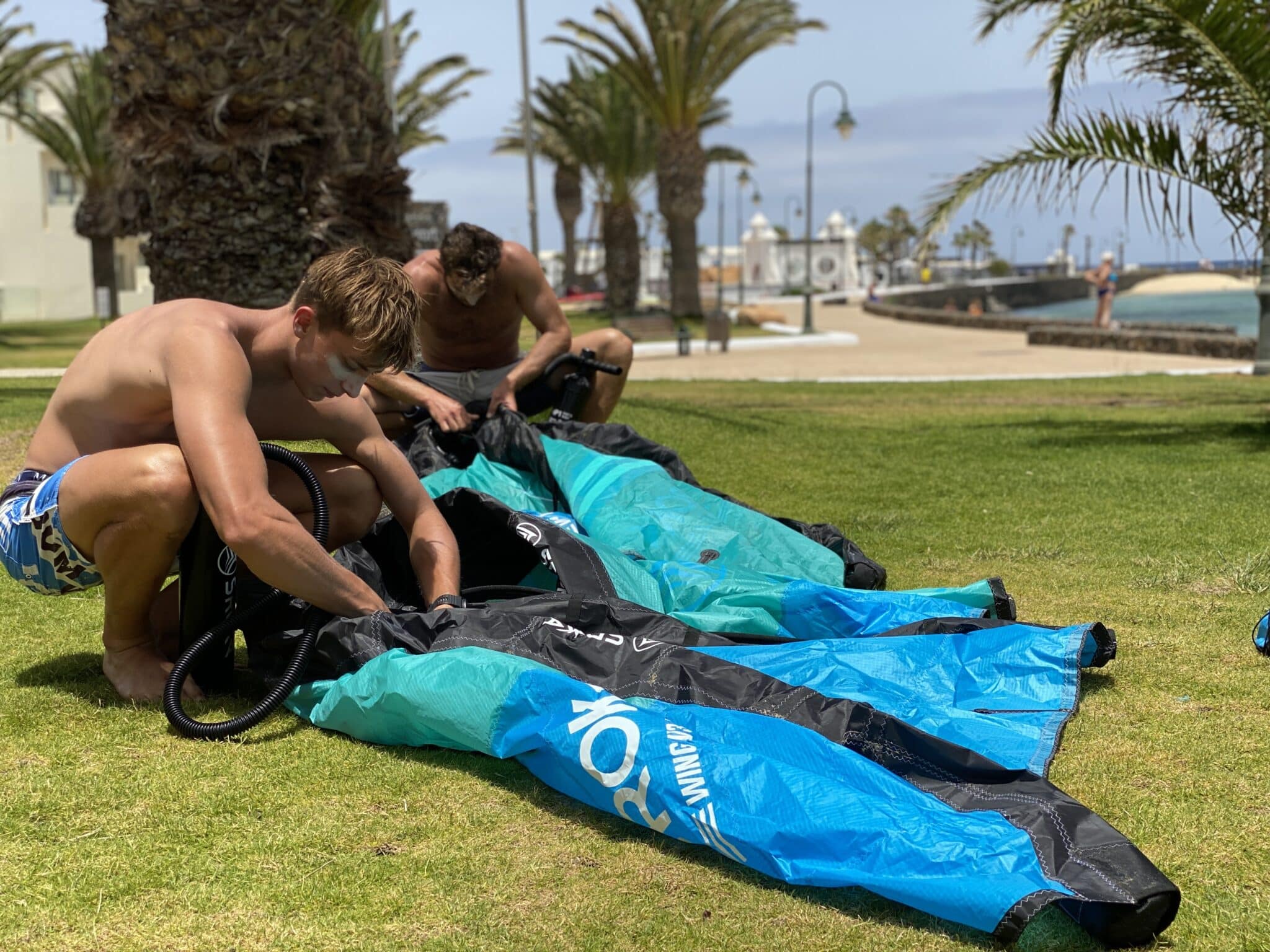
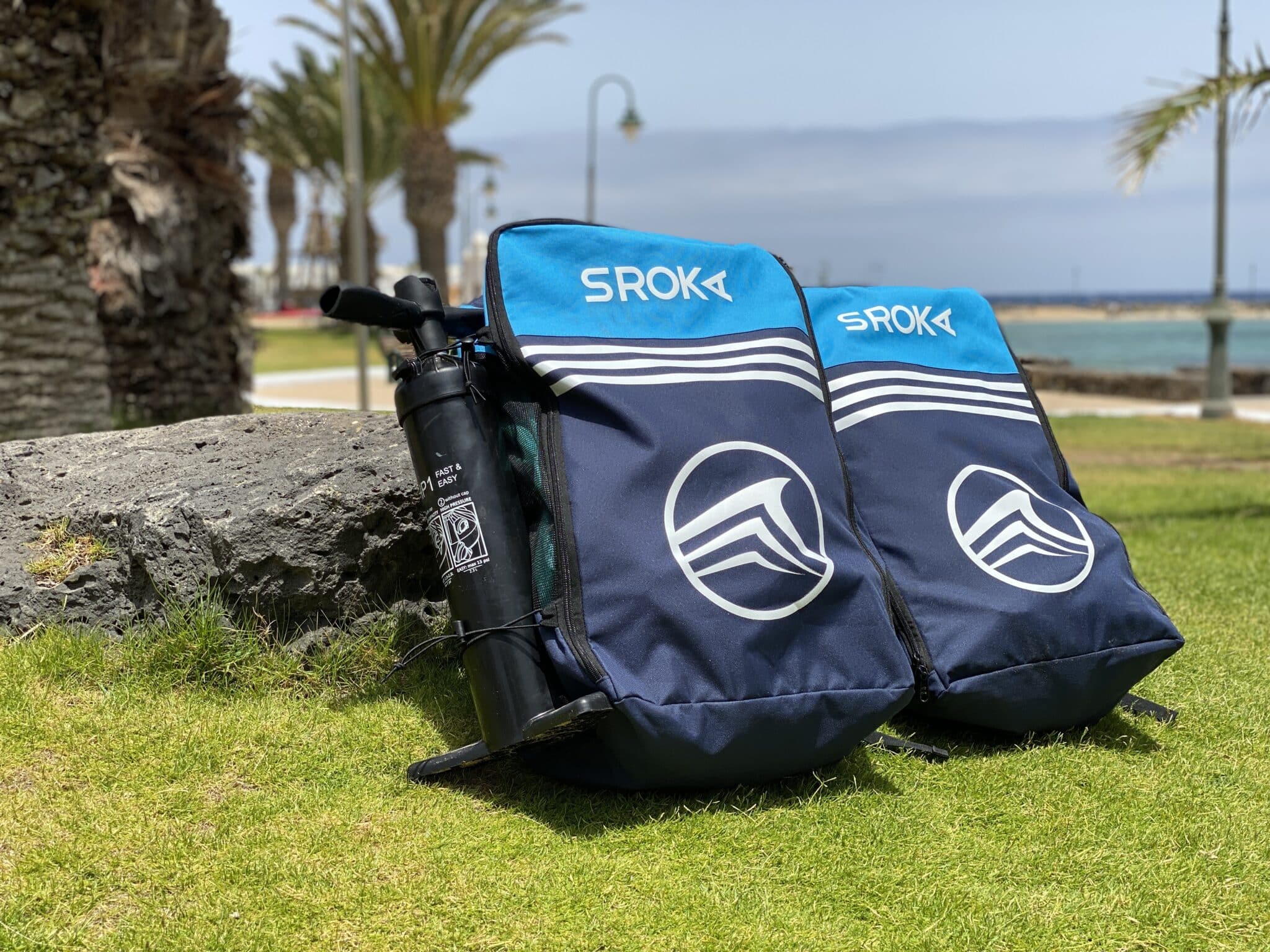
When you're not wing foiling or kite surfing for a long period, we advise you to rinse and dry your wings. Then, it's recommended to store them in the Sroka wing bag provided for this purpose. Store your wings preferably elevated in case rodents pass by.
Finally, whether it's kitesurf or wingfoil wings, never fold them the same way and avoid sharp creases. Too pronounced folds could weaken your spinnaker.
If you still have questions on this topic, or for any other request, feel free to contact us!