


How to paddleboard on the ocean
Stand-up paddleboarding, or SUP, is a watersport that involves moving around on a board with the aid of a paddle. Paddleboarding can be done on various bodies of water, but the ocean offers a unique and enriching experience. Whether it's to enjoy the scenery, marine life, waves, or wind, ocean paddleboarding is a comprehensive activity that engages both body and mind. But how do you paddleboard on the ocean safely and enjoyably? Here are some tips, techniques, and recommendations to help you embark on this adventure.
Advantages and benefits of paddleboarding
Paddleboarding is an accessible sport for everyone, regardless of skill level or age. It offers numerous advantages and benefits, both physically and mentally:
- It strengthens the muscles of the back, arms, shoulders, abs, and legs, working the entire muscle chain.
- It improves balance, coordination, and proprioception, by engaging stabilizing muscles and the vestibular system.
- It promotes blood circulation, lymphatic drainage, and the prevention of cardiovascular diseases, by increasing heart and respiratory rates.
- It reduces stress and anxiety, by releasing endorphins and providing a feeling of well-being.
- It stimulates concentration, creativity, and self-confidence, by challenging adaptation and problem-solving abilities.
- It allows for reconnection with nature, oneself, and others, offering a moment of escape and sharing.
Preparation and necessary equipment for an ocean paddleboarding session
Before heading out to paddleboard on the ocean, it's essential to prepare properly and have the right equipment. Here are the essential items to check before getting on the water:
Weather for ocean stand-up paddleboarding
Check the weather forecast for wind, waves, tides, air and water temperature. Choose conditions appropriate for your skill level and goal. Avoid stormy, foggy, or heavy swell days. For beginners, we recommend choosing a day with very little wind and no waves. This way, it will be easier to find your footing and enjoy yourself.

Regulations for paddleboarding at sea
Familiarize yourself with the navigation and safety rules in force at your chosen spot. Respect authorized zones, priorities, distances, and local authority instructions. Do not paddle beyond 300 meters from the shore if your board is less than 3.50 meters long.
The paddleboard for ocean navigation
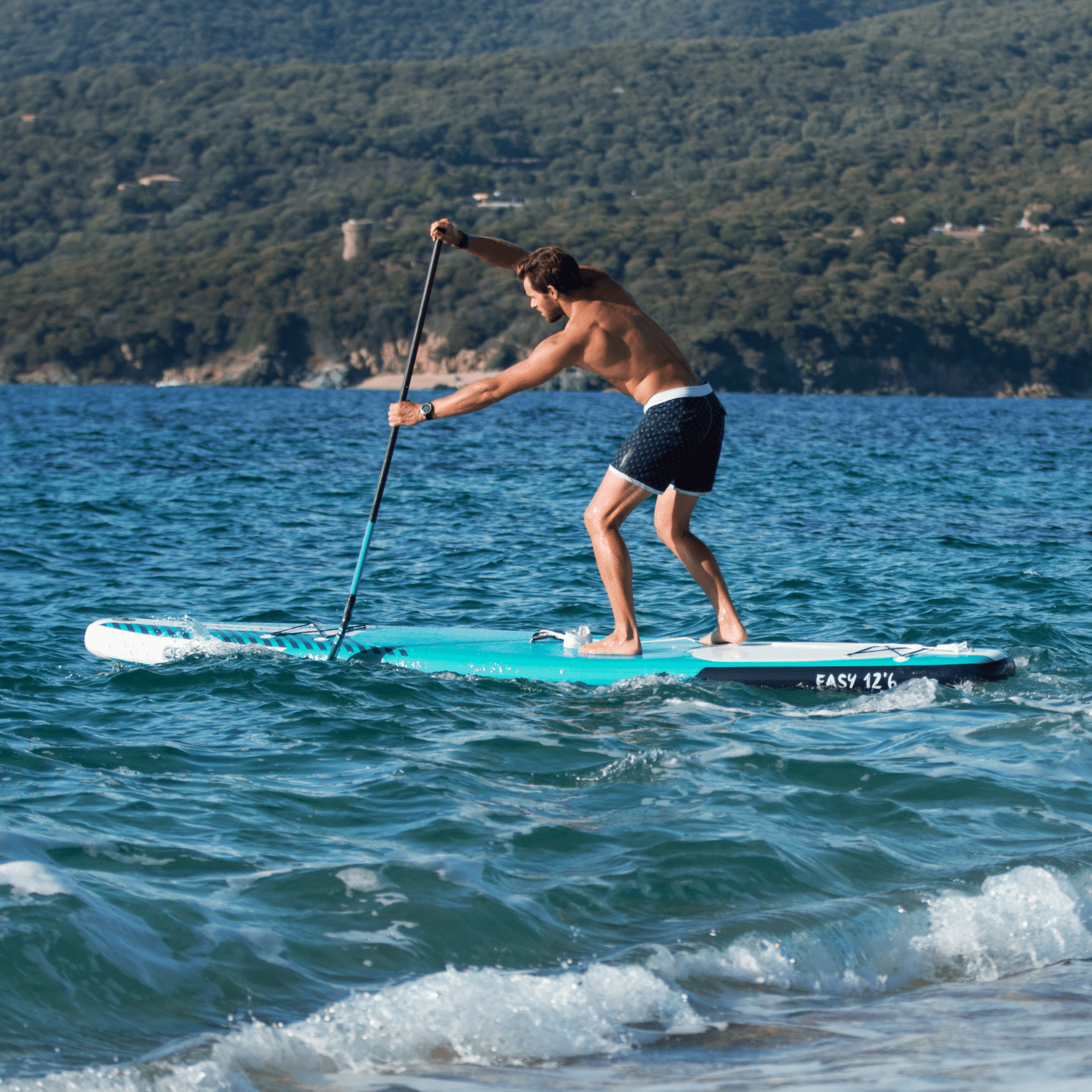
Choose a board that is suitable for your size, skill level, and the type of practice you want to do. There are rigid or inflatable boards, varying in width, length, or thickness. Generally, the wider, longer, and thicker the board, the more stable and easier it is to handle. The narrower, shorter, and thinner it is, the faster and more responsive it is. If you want a paddleboard that is easy to transport to the sea, we recommend an inflatable stand-up paddleboard. Lightweight and compact, inflatable boards offer excellent glide, provided they are of good quality.
The paddle and the leash
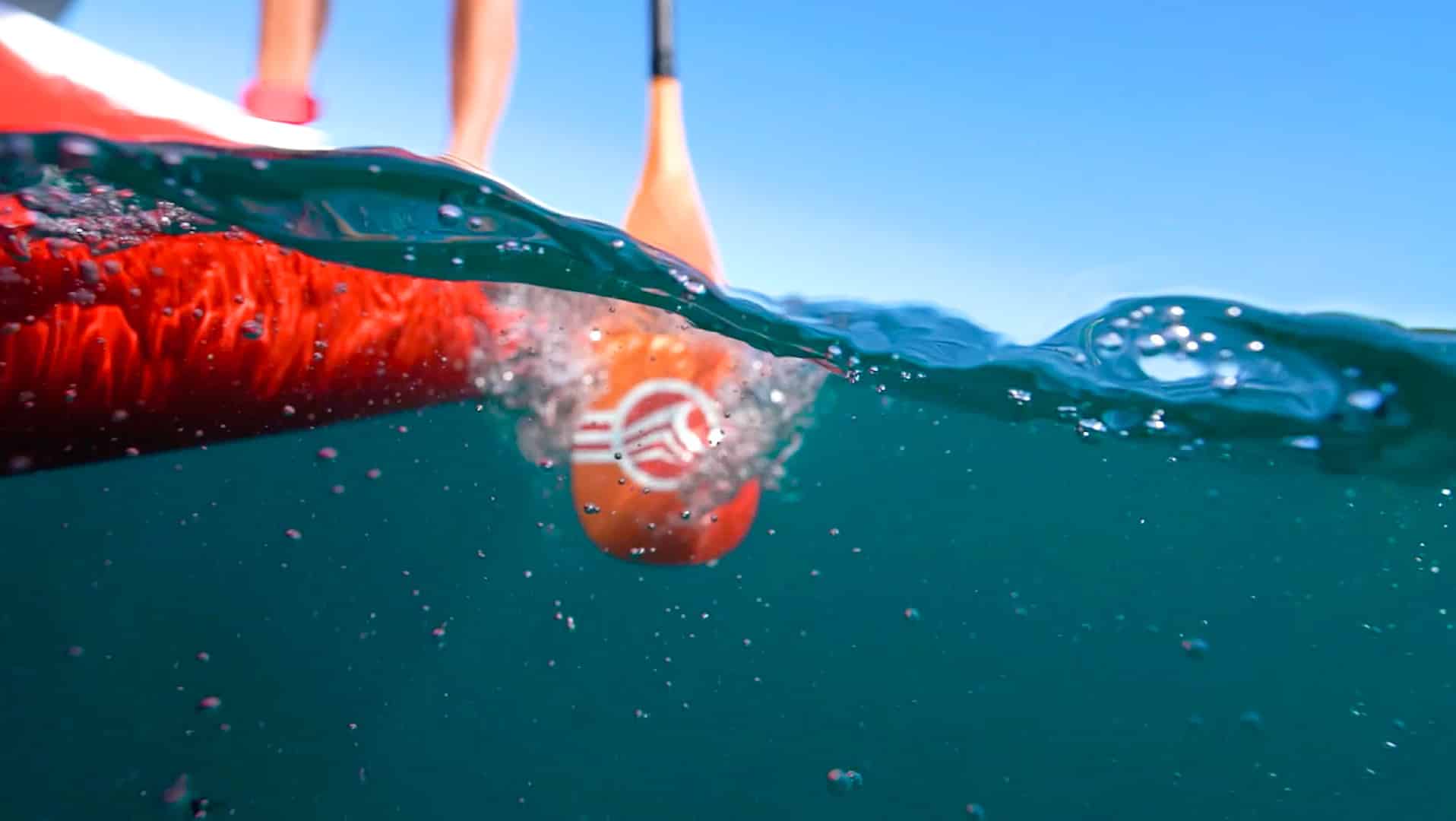
Choose a paddle suited to your height, your board, and your paddling style. There are fixed or adjustable paddles, made of aluminum, fiberglass, or carbon. Generally, the lighter, stiffer, and more ergonomic the paddle, the more efficient and comfortable it is. The ideal paddle length is about 15 to 20 centimeters above your head.
The leash, on the other hand, is a cord that connects your ankle to your board. It is mandatory for ocean paddleboarding. It prevents you from losing your board in case of a fall or strong winds. Choose a sturdy leash suitable for the navigation conditions.
The vest and wetsuit for stand-up paddleboarding at sea
The vest is a safety equipment that helps you float in case of immersion. It is recommended for ocean paddleboarding, especially if you are not comfortable in the water or if you are paddling far from the shore. There are life jackets or buoyancy aid vests, varying in thickness and bulk depending on the level of buoyancy. Choose a comfortable and approved vest.
You can also wear a wetsuit. It is a garment that protects you from cold, sun, and chafing. It is advisable to wear a wetsuit for ocean paddleboarding, especially if the water is cold or if you plan to stay on the water for a long time. There are full suits or shorties, varying in thickness and flexibility depending on the water temperature.
Accessories for paddleboarding in the ocean
There are other accessories that can be useful for ocean paddleboarding, such as a waterproof bag or dry bag, a GPS watch, an action camera, a windbreaker, a cap, sunglasses, sunscreen, etc. Choose accessories based on your needs and desires.
Basic techniques for paddling at sea and moving efficiently on the ocean
To paddleboard on the ocean, you need to master the basic techniques for paddling and moving efficiently. Here are the main points to know:
- Position: To paddle correctly, you need to adopt a stable and dynamic position on the board. Place your feet parallel to the width of the board, about shoulder-width apart. Slightly bend your knees and keep your back straight. Look ahead, not at your feet.
- Grip: To hold the paddle correctly, you need to follow a few simple rules. Place one hand on the shaft and the other on the handle. The blade should be oriented forward, meaning towards the nose of the board. Switch hands each time you change paddling sides.
- The paddle stroke: To make an effective paddle stroke, you need to follow three phases: immersion, pull, and recovery. Immerse the blade in the water in front of you, as far as possible without losing your balance. Pull the blade towards you, keeping your arm straight and using your core strength. Take the blade out of the water at foot level and bring it back in front of you by passing it over the water.
- Changing direction: To change direction with your board, there are several possible techniques. The simplest is to increase the paddling frequency on one side to turn the board to the opposite side. For example, to turn right, paddle more often on the left. You can also use your paddle as a rudder by placing it perpendicular to the back of the board on the side you want to turn.
Paddleboarding safety: essential rules and precautions to take at sea
Paddleboarding on the ocean is not without risks. Therefore, it is essential to follow certain rules and take precautions to prevent accidents and incidents. Here are the main tips to follow:
- Never go alone: Paddle with at least one other person or inform someone of your outing, your route, and your estimated return time.
- Always wear a leash: Attach your ankle to your board with a leash so you don't lose it in case of a fall or strong winds. The leash can save your life if you are far from shore or if you are tired.
- Wear a vest: To help you stay afloat in case of immersion, it is advisable to wear a life jacket or a buoyancy aid vest. The vest can protect you from drowning if you lose consciousness or suffer from cramps.
- Follow navigation rules: It is essential to respect the navigation and safety rules in force at your chosen spot. Respect authorized zones, priorities, distances, and local authority instructions to navigate safely. Furthermore, do not go beyond 300 meters from the shore.
Experiencing waves on an ocean paddleboard: surfing techniques
If you're looking for thrills and pure glide, you can try paddle surfing on the ocean. This discipline involves surfing standing on a wave with the help of a paddle. Unlike traditional surfing, paddle surfing is more accessible for beginners, as there's no need to stand up on the board. You just need to anticipate the breaking of the wave and accompany its movement with the paddle.
SUP foiling: a sensational variant
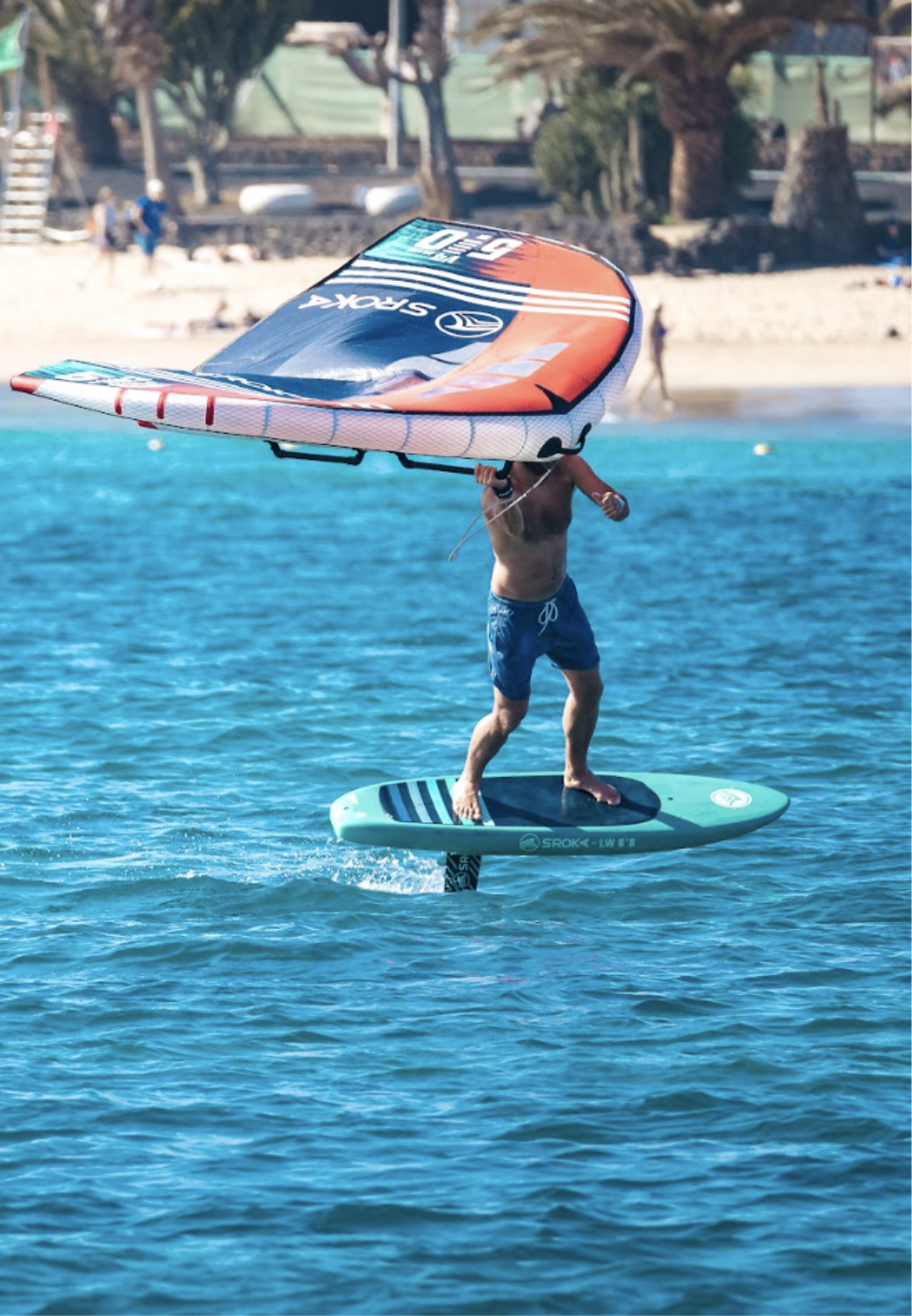
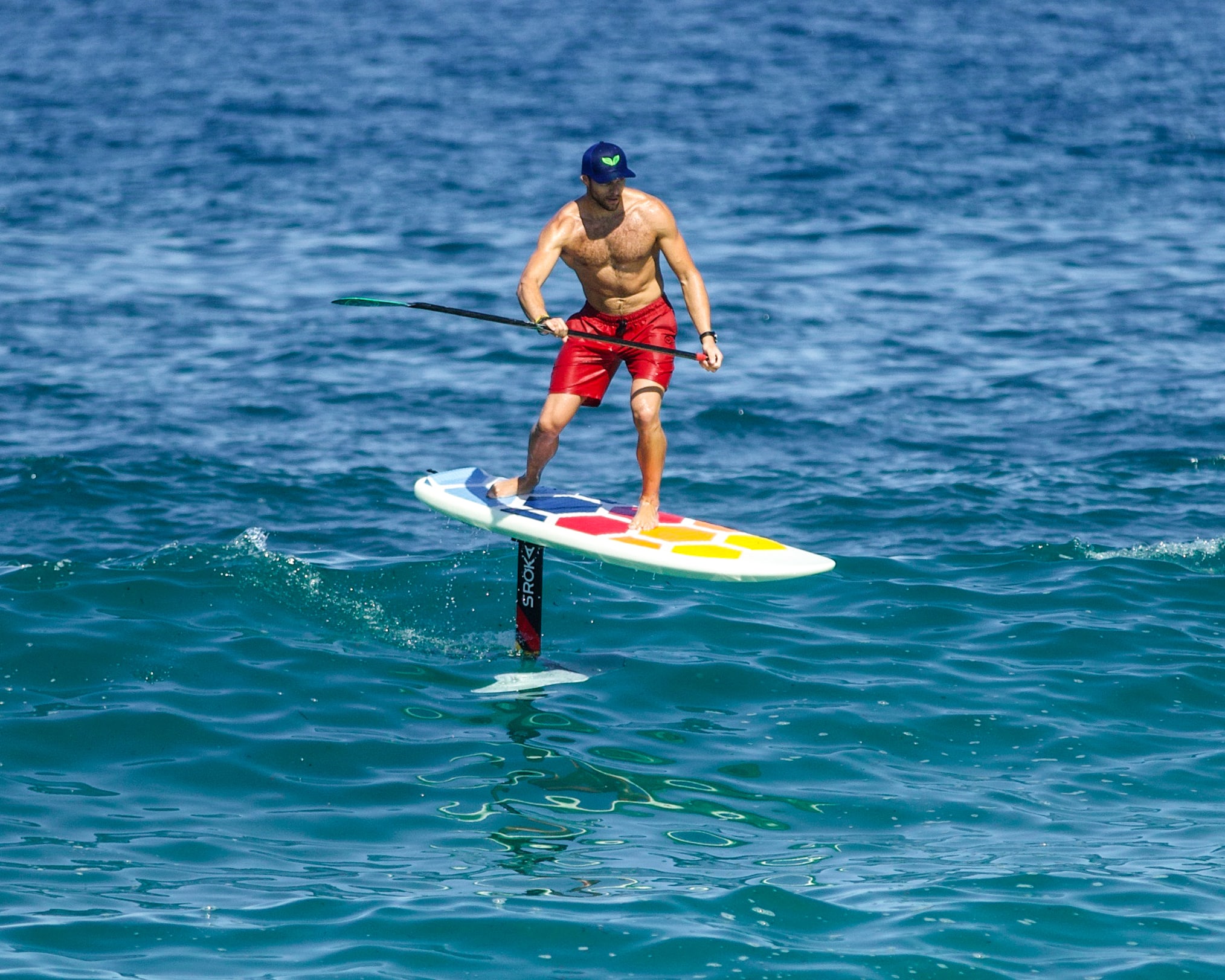
If you want even more thrills, you can try SUP foiling, a variant of paddle surfing that uses a board equipped with a hydrofoil wing underneath. SUP foiling allows you to fly above the water and surf smaller or softer waves. However, it requires more technique and balance than classic paddle surfing. It involves surfing waves on a paddleboard but with a foil under the board that allows you to fly above the water.
Tips for choosing the right spot and the best conditions for ocean paddleboarding
To paddleboard on the ocean, you need to choose a spot that suits your skill level and goals. There are paddleboarding spots for all tastes, whether for a relaxed stroll, a challenging tour, or surfing.
Here are some tips for choosing the right spot and the best conditions for ocean paddleboarding:
Check the weather forecast
Find out about the wind, waves, tides, air and water temperature. Choose conditions appropriate for your level and objective. Avoid stormy, foggy, or heavy swell days.
- Wind: Light or no wind is ideal for beginners. More experienced paddlers can adapt to windier conditions.
- Waves: If you want to surf, waves are necessary. For a leisurely paddle, calm seas are preferable.
- Water temperature: Depending on your region, you'll need to adapt your equipment (wetsuit, vest) accordingly.
The season
- Summer: This is generally the most popular season for paddleboarding, with often favorable conditions.
- Off-season: Temperatures may be cooler, but beaches are less crowded, and conditions can be more stable.
Look at the tides
- High tide: The water is deeper, which can be interesting for navigating in areas less accessible at low tide.
- Low tide: Often reveals different landscapes and can be more conducive to discovering marine flora and fauna.
Learn about regulations
Inform yourself about the navigation and safety rules in force at your chosen spot. Respect authorized zones, priorities, distances, and local authority instructions. Do not paddle beyond 300 meters from the shore (if your board is less than 3.50 meters long).
Choose a spot suited to your practice
Depending on whether you want to do leisurely paddleboarding, touring paddleboarding, or paddle surfing, you won't choose the same type of spot. For leisurely paddleboarding, prefer calm and sheltered bodies of water, such as bays, lagoons, or estuaries. For touring paddleboarding, opt for more open and varied bodies of water, such as rocky coastlines, islands, or capes. For paddle surfing, look for wave spots suitable for your level, neither too big nor too small.
Respect the environment
Be careful not to disturb marine wildlife and flora during your paddleboarding trip. Avoid protected areas, such as nature reserves or marine areas. Do not leave any trash behind and do not collect shells or corals.
Additional tips for ocean paddleboarding
- Prefer the calmest hours of the day: Early morning or late afternoon are often more pleasant to avoid crowds and changing weather conditions.
- Learn about ocean currents: They can affect your trajectory and safety.
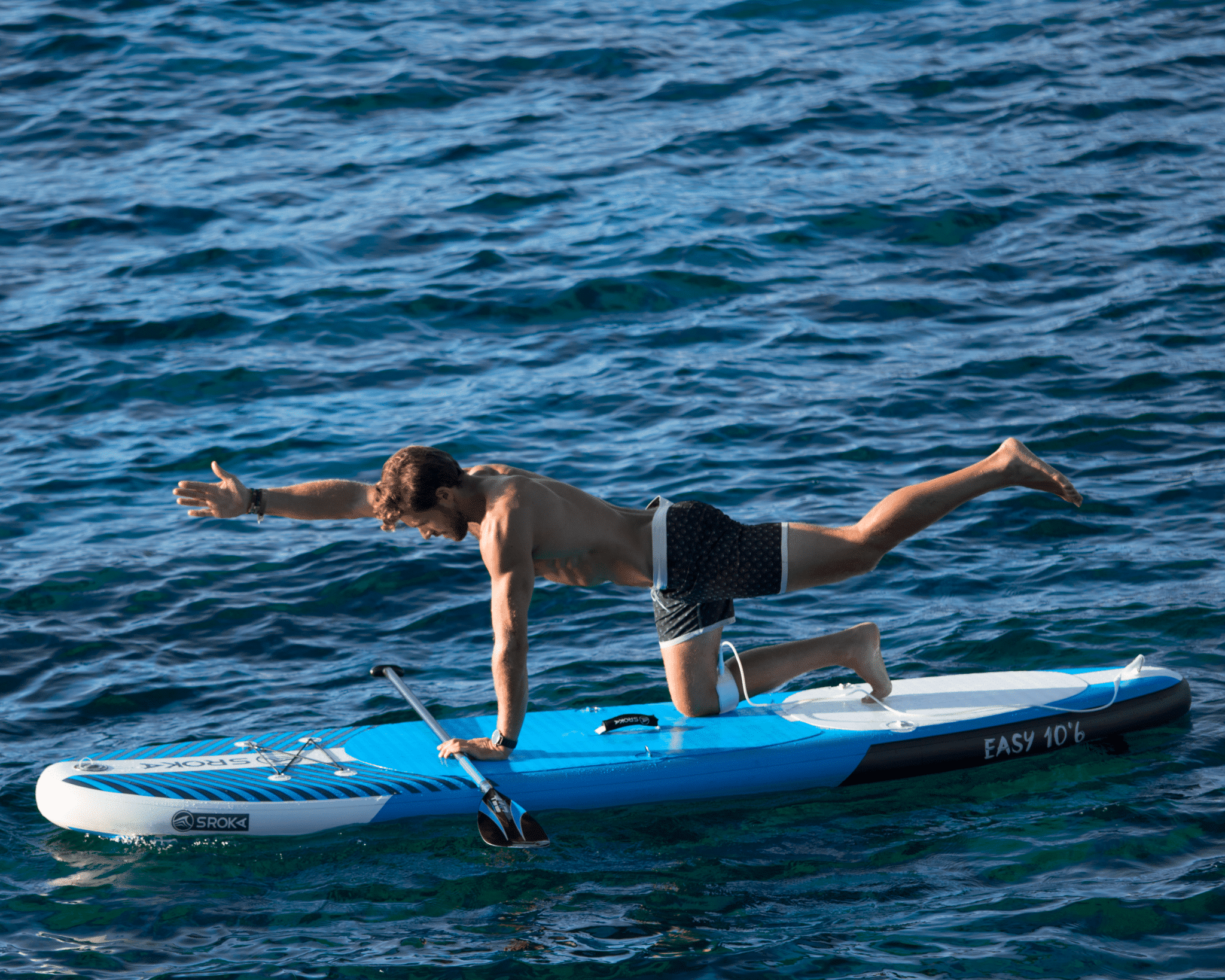
Training and exercises to improve your paddleboarding
Paddleboarding on the ocean is a comprehensive activity that engages both body and mind. To progress and fully enjoy this experience, it's important to train regularly and do specific exercises.
- Warm-up: Before getting in the water, it's essential to thoroughly warm up your muscles and joints. Do a few minutes of cardio to increase your heart and respiratory rate. Then, do dynamic stretches (arm, shoulder, hip rotations) to loosen your muscles and prevent injuries.
- Strength training: To improve your strength and endurance, you can do strength training exercises on the board or on land. For example, you can do push-ups, squats, lunges, planks, or burpees. This will help you engage the back, arm, shoulder, abdominal, and leg muscles, all of which are essential for paddleboarding.
- Balance work: To improve your balance and stability, you can do exercises that will challenge your balance and force you to use your stabilizing muscles. For example, you can paddle on one leg, change positions on the board, make sharp turns, or transition from a sitting to a standing position.
- Technique work: To improve your paddling and surfing technique, you can do exercises that will help you optimize your movements and efficiency. For example, you can work on the cadence and power of your paddle strokes, the trajectory and orientation of your board, the timing and placement on the wave, or speed and direction control. These exercises will help you gain fluidity and precision.
Paddleboarding on the ocean is a water activity that offers many advantages and benefits. Whether it's to enjoy the scenery, marine life, waves, or wind, ocean paddleboarding is a comprehensive activity that engages both body and mind. But how do you paddleboard on the ocean safely and enjoyably? You need to prepare properly and have the right equipment. You also need to master the basic techniques for paddling and moving efficiently. Finally, you need to respect essential rules and take certain precautions to avoid accidents and incidents. If you follow these tips, techniques, and recommendations, you can embark on this adventure with confidence and serenity.