


As the number of paddleboarders increases year after year, more and more of you want to get away from crowded areas to reach more secluded spots. But this desire for freedom can sometimes be abruptly interrupted when you go to a spot where the activity is forbidden or impossible. To help with this, we will reveal all the information to ensure you can get your paddleboard on the water without any problems.

The different types of paddleboards
There are many different types of inflatable SUPs (Stand Up Paddleboards), and they can be used in many situations. This variety brings its own specificities to the models you choose to adapt them to each practice.
Paddle surfing
Paddle surfing, also called paddleboard surfing, is a variation of SUP specifically practiced in waves. Enthusiasts of this discipline use a shorter, more maneuverable board like our Wave 9’5 to surf waves while paddling.
Paddle fitness
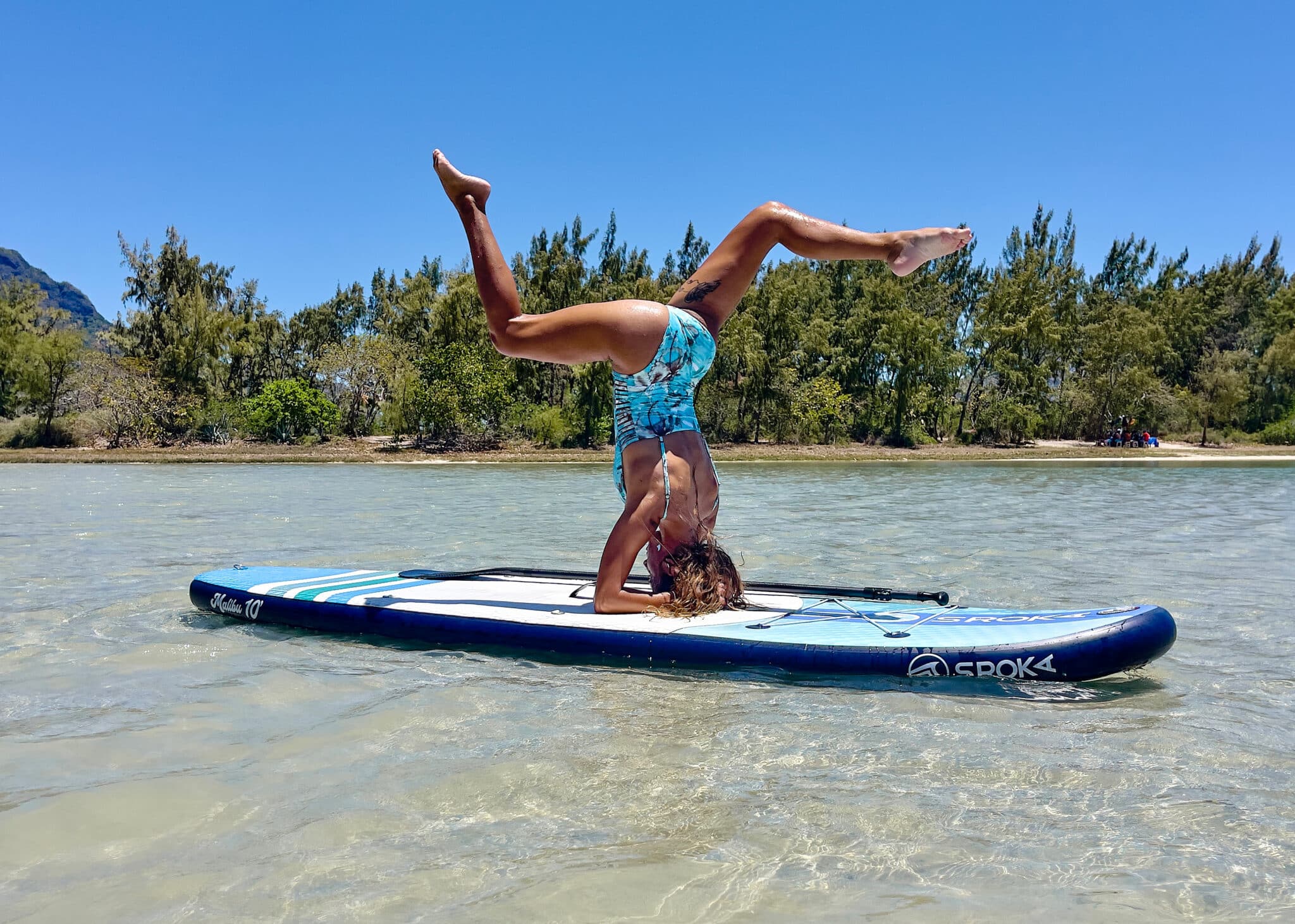
Paddle fitness is a discipline focused on fitness and muscle strengthening. It combines fitness exercises, such as yoga or Pilates, with stand-up paddleboarding. Participants perform specific movements and exercises on their board, which adds a dimension of stability and muscle strengthening to their workout. (Note: it is necessary to equip yourself with an anchor to stay still)
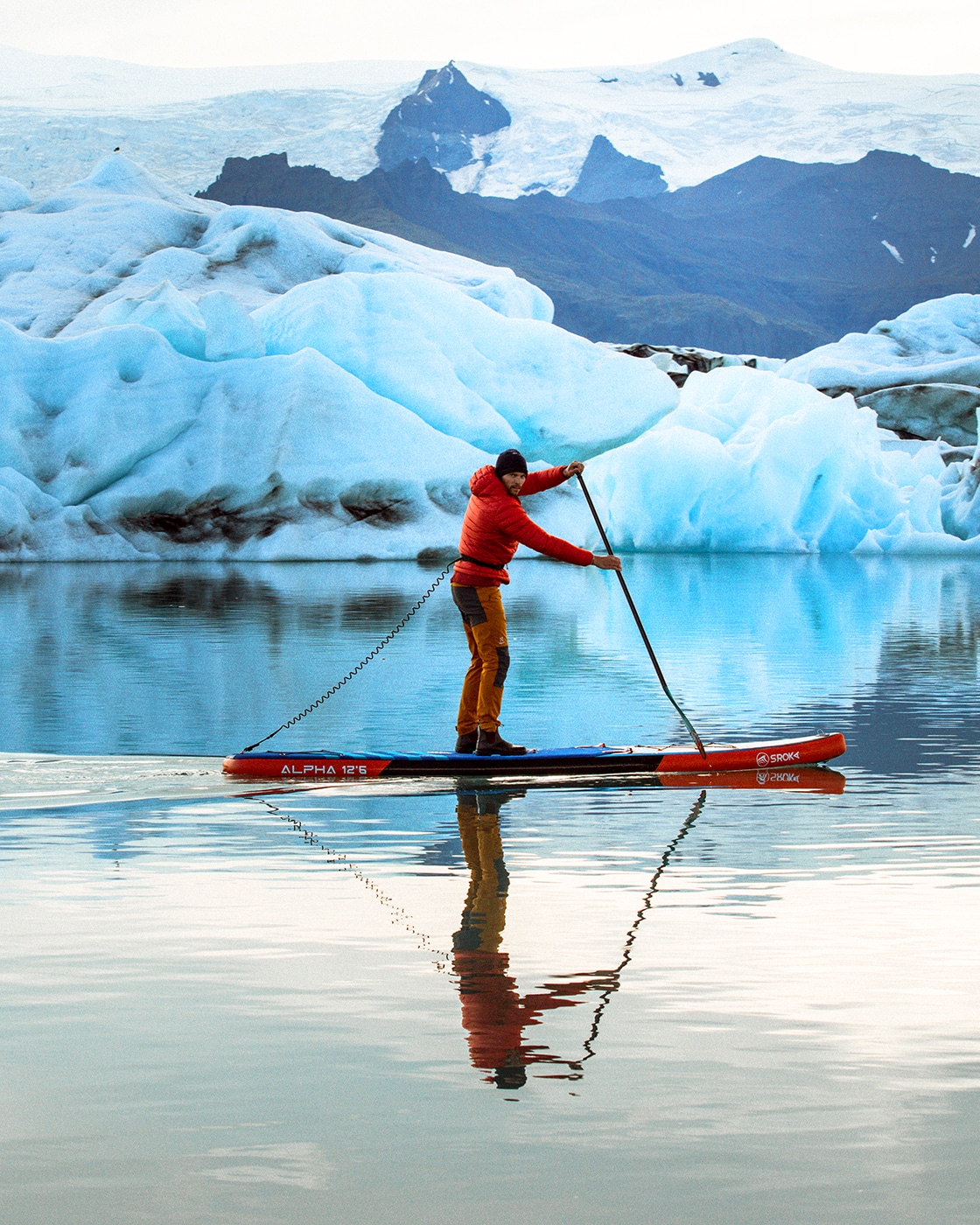
Whitewater paddleboarding
Whitewater paddleboarding is a more extreme discipline that involves navigating rivers and rapids. Participants must be experienced and have good control of their board and paddle to cope with currents, rocks, and other obstacles encountered in whitewater.
Paddle touring
Paddle touring is a discipline that allows for exploring longer distances on the water, using a board specially designed for better stability and glide. Practitioners can thus discover new landscapes, explore coastlines or peaceful lakes, and enjoy nature while paddleboarding.
Race paddleboards
Pure performance is the goal here: glide, without compromise. These paddleboards are often unstable but offer exceptional glide, allowing for long distances at high speeds with little effort. They are generally less than 27 inches wide and more than 13 or 14 feet long. Our Alpha 14X27 is an effective race paddleboard.
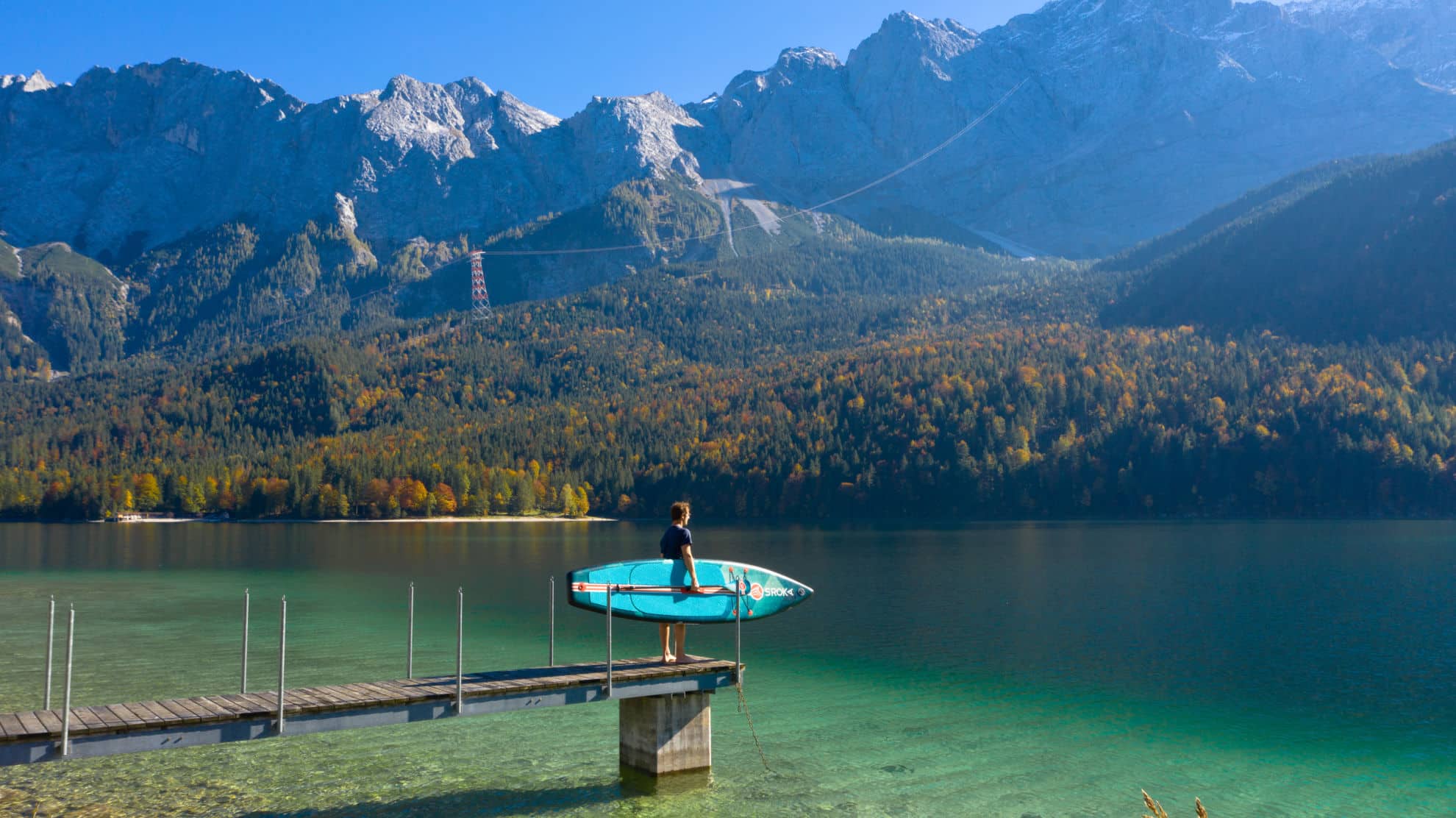
Suitable places for paddleboarding
Lakes and ponds
Lakes and ponds offer many advantages for freshwater paddleboarding. Here are some of these advantages and recommendations for making the most of your paddleboarding experience in these environments:
- Stability: The calm waters of lakes and ponds offer extra stability, which is ideal for beginners or those seeking a more tranquil experience.
- Easy access: Lakes and ponds are often easily accessible, whether in parks, nature reserves, or recreational areas, making paddleboarding more convenient and accessible for everyone.
- Picturesque landscapes: Lakes and ponds often offer magnificent landscapes with lush surrounding nature, mountains, or forests, making the paddleboarding experience even more enjoyable.
- Biodiversity: These environments are often rich in biodiversity, offering paddleboarders the opportunity to discover a variety of birds, fish, and other aquatic animals while paddling.

For freshwater paddleboarding, here are some recommendations:
- Check local regulations: Before you start, make sure you know the rules and regulations regarding the use of lakes and ponds in your area. Some places may have specific restrictions on water activities.
- Equip yourself properly: Make sure you have the right equipment for freshwater paddleboarding, including a suitable board, a quality paddleboard paddle, a life jacket, and any other necessary safety equipment.
- Respect the environment: Keep in mind that lakes and ponds are fragile ecosystems. Respect local flora and fauna, avoid disturbing natural habitats, and do not leave any trash behind.
- Be aware of other users: In busy areas, there may be other people engaging in other water activities. Be mindful of their presence, respect their space, and follow water etiquette rules.
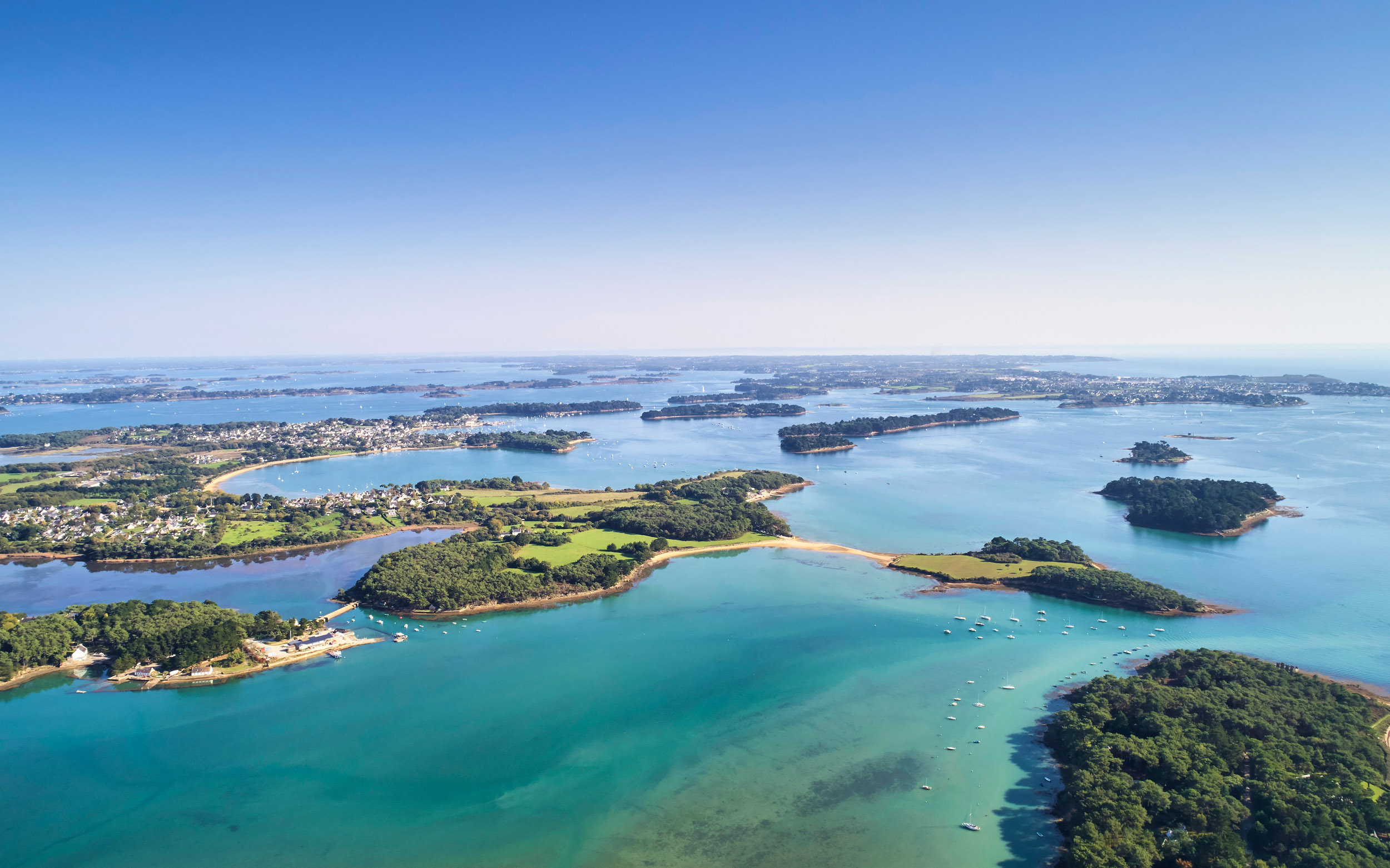
Rivers
Navigating rivers and streams while paddleboarding can be an exciting experience, but it also requires certain precautions and adherence to some advice to ensure your safety. Here are some recommendations for navigating waterways:
- Know the required skill level: Rivers and streams can present stronger currents and more variable conditions than lakes or ponds. It is important to know your skill level and ensure you are comfortable with the specific conditions of a river before setting out.
- Research the river: Find out about the river or stream you wish to explore. Learn about water levels, rapids, potential obstacles, and access points. Consult local guides, specialized websites, or speak to experts for accurate information.
- Equip yourself properly: Make sure you have equipment suitable for whitewater navigation. Use a rigid and sturdy board, wear a life jacket, a leash to attach your board to your ankle, and a protective helmet if necessary.
- Learn whitewater navigation techniques: Take the time to familiarize yourself with whitewater navigation techniques, such as reading currents, paddling techniques adapted to rapids, and recovery methods in case of a fall. Taking courses or hiring an experienced guide can be beneficial for learning these skills.
- Assess weather conditions: Be aware of weather conditions before venturing onto a river. Recent rainfall can lead to higher water levels and stronger currents. Avoid navigating in stormy weather or when dangerous weather conditions are forecast.
- Navigate in a group: It is recommended to navigate in a group when exploring rivers or streams. Having other people nearby can help you in case of need and increase your overall safety.
- Respect the environment: When navigating waterways, be sure to respect the natural environment. Avoid disturbing local wildlife and flora, take your trash with you, and follow conservation rules in place.

Seas and Oceans
Coasts and seas offer ideal conditions for paddle surfing, a discipline that involves surfing waves while using a paddleboard. Here are some ideal conditions for paddle surfing by the sea:
- Waves: Coasts and seas offer varied waves, allowing paddle surfing enthusiasts to enjoy a unique surfing experience. Waves can vary in size and power, offering surfers a wide diversity of conditions to practice their discipline.
- Ocean currents: Ocean currents can play an important role in paddle surfing by the sea. Currents can create more powerful waves and influence the direction of the paddle. It is important to understand and take ocean currents into account before starting.
- Coastal landscapes: Coasts and seas offer magnificent coastal landscapes. Paddle surfing enthusiasts can enjoy the beauty of the ocean, beaches, cliffs, and rock formations while practicing their discipline.
However, it is important to take certain precautions when paddle surfing by the sea:
- Sea safety: Before you start, make sure you know the sea safety rules and familiarize yourself with the specific conditions of the beach where you plan to surf. Find out about currents, tides, and prohibited areas.
- Appropriate equipment: Use a paddle surf board adapted to the waves, such as our Wave 9’5, and to ocean conditions. Wear a leash to attach your board to your ankle and make sure you wear a life jacket for your safety.
- Skill assessment: Paddle surfing by the sea is a more advanced discipline that requires a certain mastery of waves and surfing techniques. Make sure you have the necessary skills before venturing into more difficult conditions.
- Respect other practitioners: When paddle surfing by the sea, it is important to respect the rules of priority and courtesy towards other surfers and users. Share waves fairly and avoid dangerous or disrespectful behavior.
- Monitoring weather conditions: Be attentive to weather conditions, especially wind, swell, and tide forecasts.
Restrictions and Regulations
- We practice sports that must respect their environment as much as possible in order to be sustainable and maintain pleasant and lively play areas. Be responsible citizens and avoid disturbing species or littering. Furthermore, certain areas are restricted for practice due to ecological reasons; inquire about local regulations before getting in the water.
- Respect for other users is a priority; your Sunday or vacation paddle outing should not turn into a drama. To do this, respecting the rules established at the spots is essential. Most beaches have a 300-meter swimming zone where navigation is prohibited; you will then have to use channels to exit this zone and move away. Besides the common courtesy rules, custom dictates that the more experienced person facilitates the maneuver for the beginner.
Factors to consider
- Weather: While it may seem obvious, too many people struggle to assess wind and sea conditions when they are on land. If you have any doubt and think that the weather conditions are dangerous (temperature, wind, wind direction, etc.), ask the locals for advice or refrain from going out.
- Sea conditions, currents, choppy water, swells, and other elements resulting from water conditions can be dangerous or inappropriate.
Conclusion
So, can you paddleboard everywhere? To be honest, yes, almost, but it's important to pay attention to environmental factors to avoid trouble and bad experiences. Always keep in mind that your practice, if you are here, is surely exclusively for leisure, so you have no reason to take any risks. Stay safe while exploring the places you care about.
Finally, do not hesitate to consult our paddle buying guide to help you choose your equipment.
If you still have questions about this, or for any other request, do not hesitate to contact us!