


Which muscles are worked during paddleboarding?
Did you know that stand-up paddleboarding is an excellent way to strengthen your body? Not only does this activity allow you to escape on the water, but it also engages many muscles in your body. To maximize the results of your paddleboarding session and sculpt your figure, it's essential to know which muscle groups are involved. In this article, we'll guide you through the muscles worked during paddleboarding, as well as the benefits for your body.
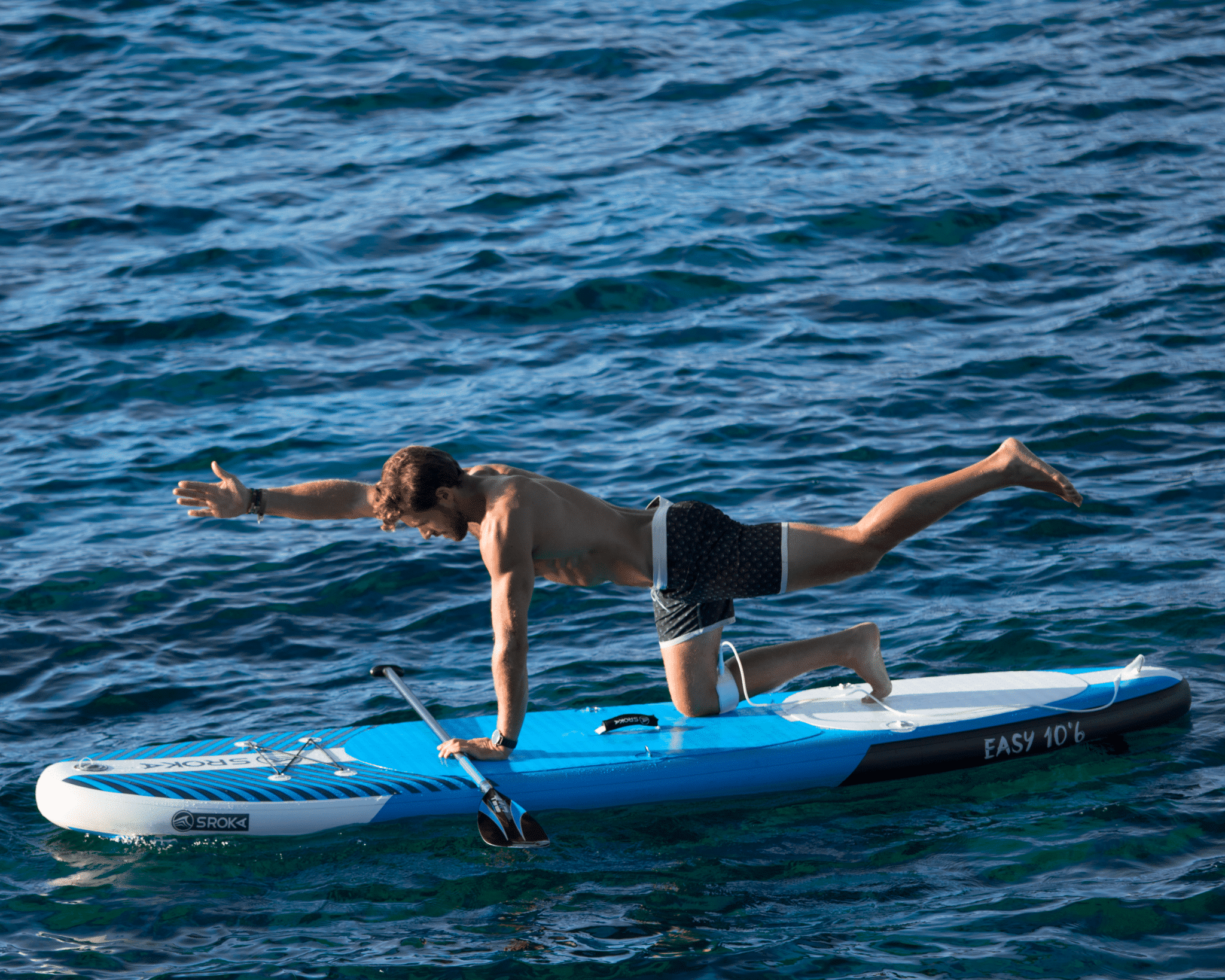
Upper Body Muscles
Paddleboarding is an excellent physical activity to deeply work, tone, and strengthen upper body muscles without risk of injury.
- The back is certainly the most engaged part during paddleboarding. Indeed, the paddling movements required to move forward necessitate a pulling action that engages the latissimus dorsi, trapezius, and rhomboid muscles.
- During paddleboarding, balance is maintained by the contraction and relaxation of the muscles of the abdominal belt. These muscles allow your body to find its balance point on the board. Furthermore, when you paddle, your upper body needs to stiffen, and that's when your abdominal muscles come into play, contracting.
- The shoulders are also heavily engaged during paddleboarding and connect your abdominal and back muscles. Paddling movements transfer the effort from your abs to your back muscles and involve the deltoid and pectoralis major muscles, which work synergistically to allow shoulder rotation and paddle thrust. You will quickly notice that the paddle tends to come out of the water when you bring it back towards you. In this case, your shoulders must exert slight pressure on the shaft to keep the paddle blade submerged.
- Finally, the arm muscles, particularly the biceps and triceps, are also involved in the rowing motion, while the forearms are engaged to maintain a good grip on the paddle.
Lower Body Muscles
Paddleboarding engages not only the upper body muscles but also the lower body muscles, due to the instability of the board. Indeed, to maintain balance on the board, you must constantly adjust your position using your leg muscles, especially the hamstrings, and your glutes. By slightly bending your knees, you strengthen the muscles of your ankles, hips, and thighs.
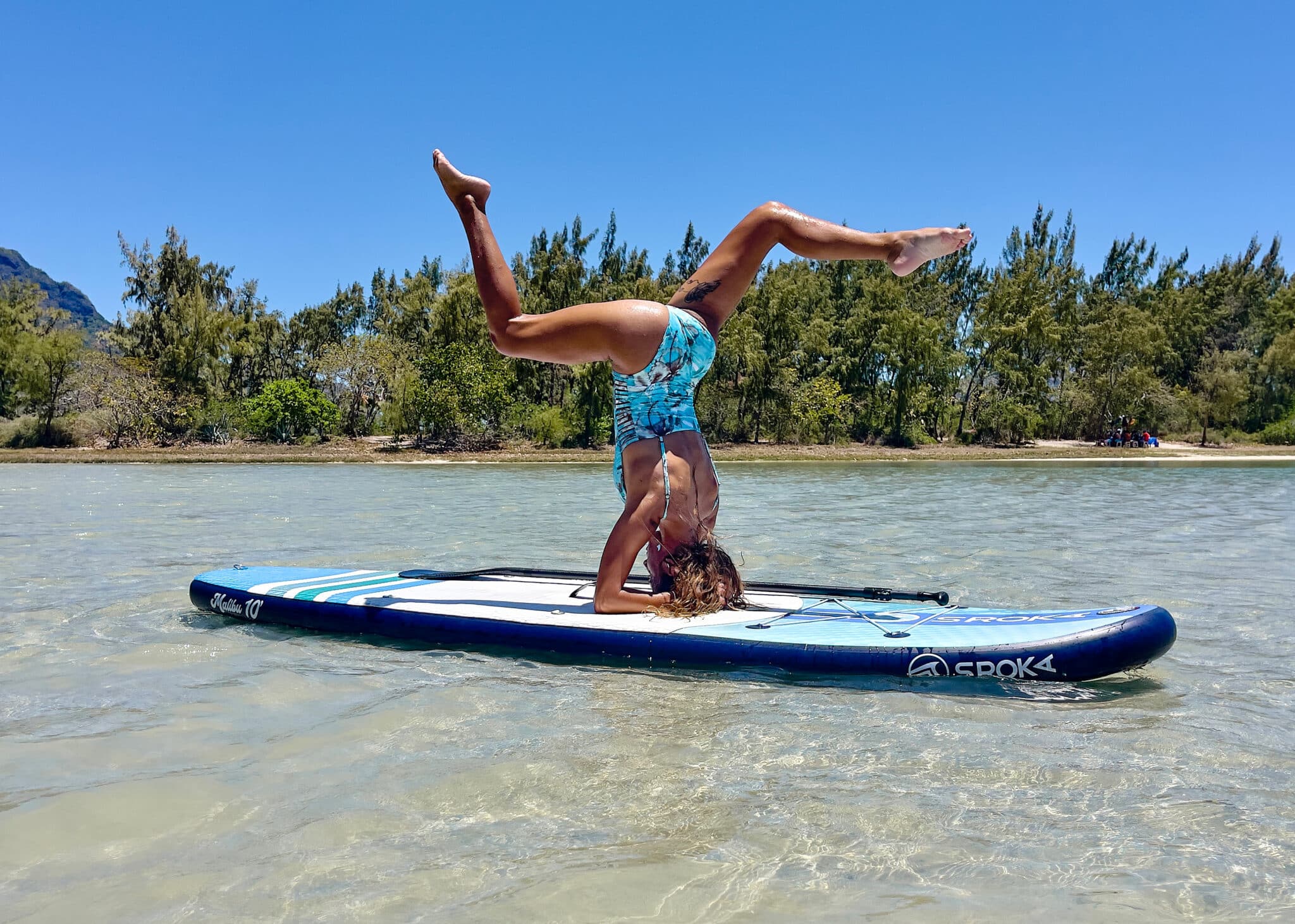
Benefits of Paddleboarding for the Body
Paddleboarding offers a multitude of benefits for the body, particularly in terms of muscle strengthening. This water sport engages many muscle groups, from head to toe, and provides overall and effective body strengthening, without the risk of muscle or joint trauma. By working the muscles of the back, shoulders, and arms, you can improve your stability, power, and endurance.
In addition to muscle strengthening, paddleboarding also helps to improve and maintain an upright and balanced posture, which can help prevent lower back pain.
Finally, regular paddleboarding can have beneficial effects on cardiovascular and pulmonary health. This discipline, so popular among athletes, increases cardiorespiratory endurance and reduces the risk of cardiovascular diseases.
Tips for Optimizing Muscle Engagement While Paddleboarding
- To best optimize muscle engagement, it's important to position your body correctly on the board. Make sure your feet are slightly apart to increase your stability and bend your knees to reduce impact on your joints. Also, keep your back straight and shoulders relaxed to avoid muscle tension.
- Like any discipline, warming up is essential! Dynamic stretches involving rotation and joint mobilization of the lower and upper limbs will help prepare your body for the efforts to come, improve your flexibility, and reduce the risk of injury.
- Last piece of advice: take your time. Paddleboarding is a demanding physical activity, so it's important not to overestimate yourself by going too fast, and to give your body time to adapt to the effort.
Good technique and sustained effort are the keys to effective paddling. According to Frédéric Loubeau, a sports coach, paddleboarding is a more than complete activity that can be adapted to various disciplines, including Pilates, cardio training, and muscle strengthening. With good physical condition and regular practice, you can improve your endurance, your physique, and your technique, making your paddleboarding sessions longer and more enjoyable!