


Stand-up paddleboarding is a very popular discipline due to its practicality, ease, and accessibility for everyone. If you want to go paddleboarding, regardless of the body of water, it's essential to know and respect the navigation rules for each body of water to practice safely. So, what are the regulations for paddleboarding?
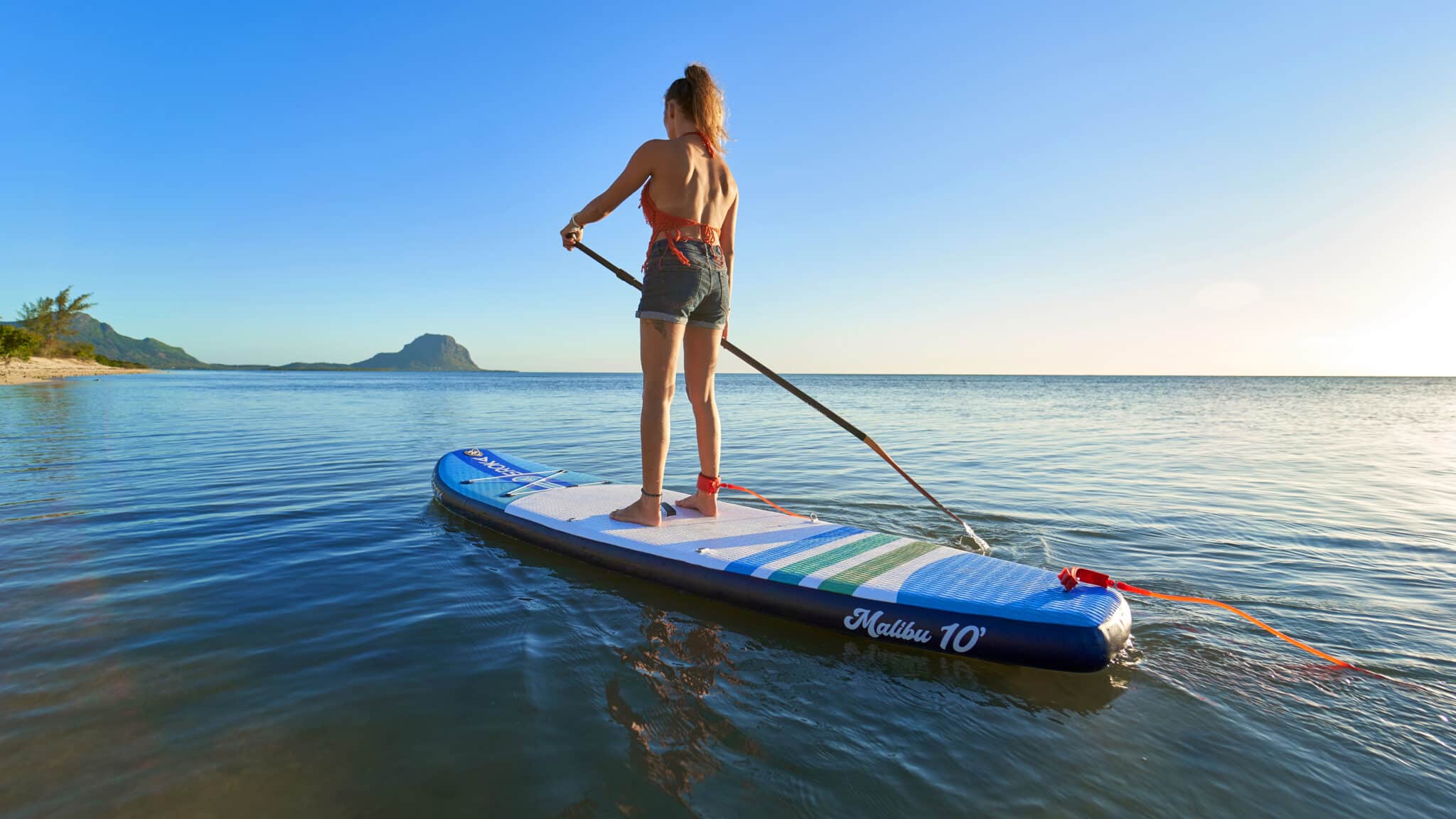
General rules for paddleboarding
To know the rules for paddleboarding and your navigation area, it's important to identify the category of your paddleboard. The rules for paddleboards are the same as for other sea users.
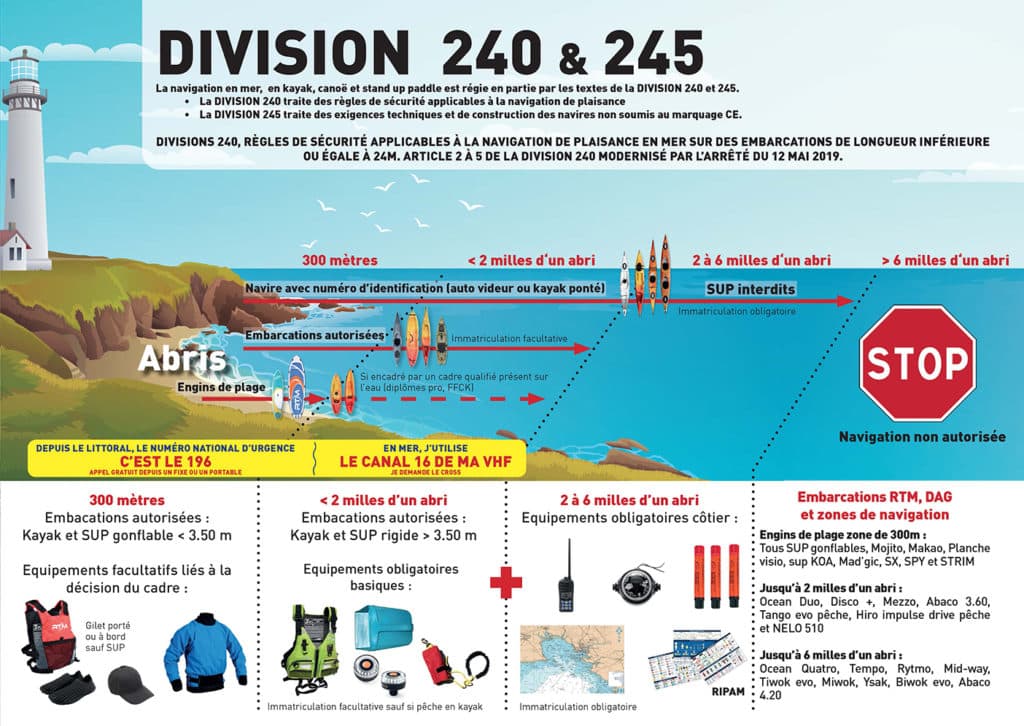
1. Stand up Paddleboard < 3.50m
If your craft or paddleboard, whether inflatable or rigid, is less than 3.5m in size, your navigation area is limited to within 300m of the coast. You must therefore stay within 300m of the coast because your paddleboard is considered a beach craft. The necessary equipment within the 300m zone is:
– A mandatory leash
– A life jacket is also strongly recommended
2. Stand up Paddleboard > 3.50m
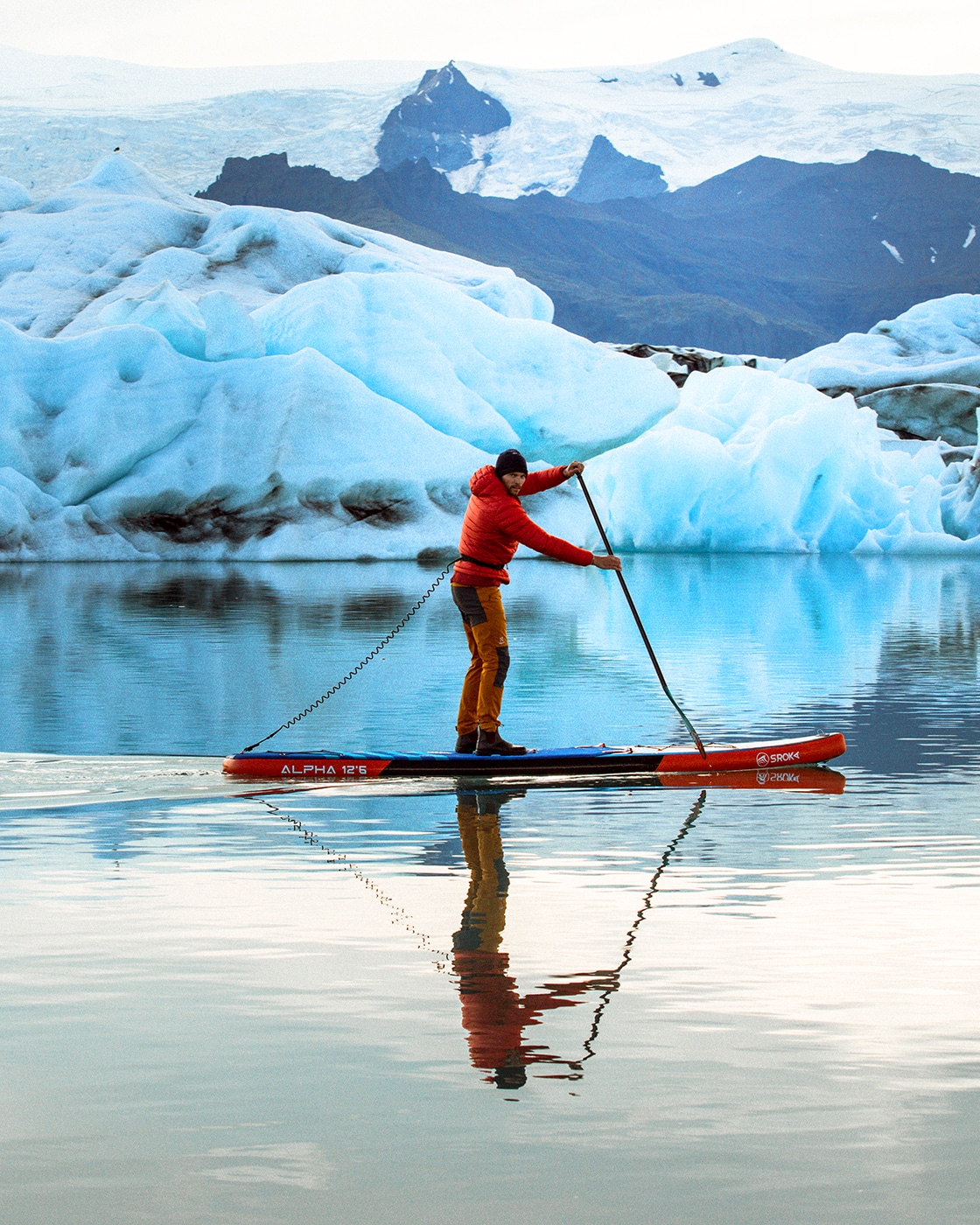
If your paddleboard is larger than 3.5m, whether it's a rigid paddleboard or an inflatable one with multiple air chambers (buoyancy reserves), your navigation area is then extended up to 2 miles from the coast, or approximately 3 km. However, to go beyond the 300m zone, you must have the necessary equipment (mandatory gear) for navigation beyond 300m. You must then equip yourself with gear that includes:
– A life jacket suited to your size (minimum 50N)
– A leash
– A towing device (floating safety rope and attachment device)
– A light signaling device (waterproof flashlight, etc.)
Proximity to a channel
When you are near a port, it is important to know that it is forbidden to cross the exit or entry route of a channel which is marked by red and green buoys.
Right-of-way rules
When paddleboarding, it's important to keep the different right-of-way rules in mind. Note that less maneuverable vessels have priority over more maneuverable ones. This means that on a paddleboard or stand-up paddleboard, you must yield to all large motorboats as well as sailboats with restricted maneuverability. In other words, a sailboat sailing under sail and a sailboat under engine power with restricted maneuverability will have priority over you. For vessels of equal size and maneuverability, priority is given to the one coming from starboard (to the right), just like on the road.
The rules of paddle surfing
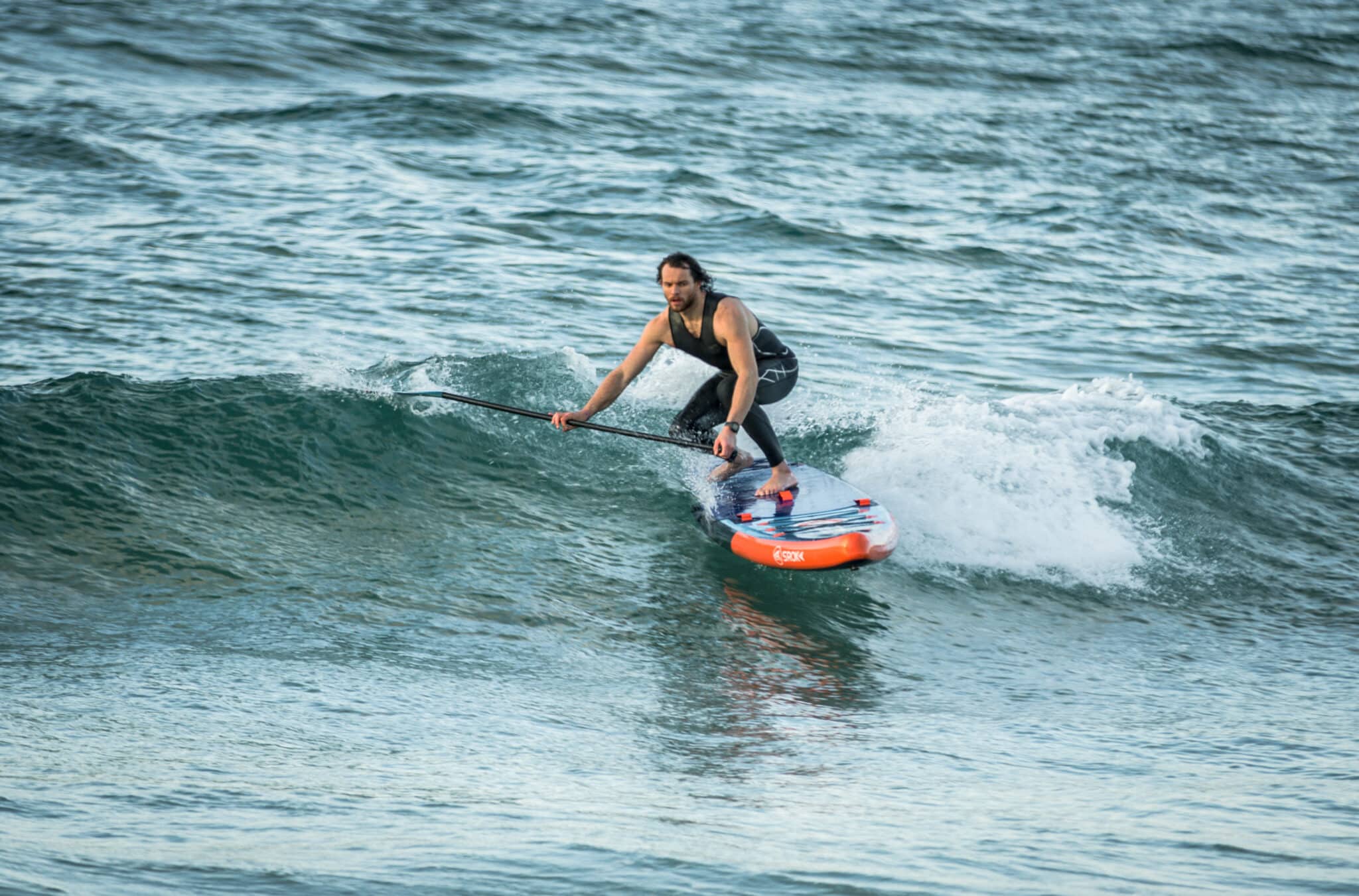
For paddle surfing or Sup foiling, you must follow the rules of surfing. The surfer closest to the breaking zone has priority over others. When wave paddleboarding, always choose conditions suited to your skill level.
Rules for paddleboarding at sea
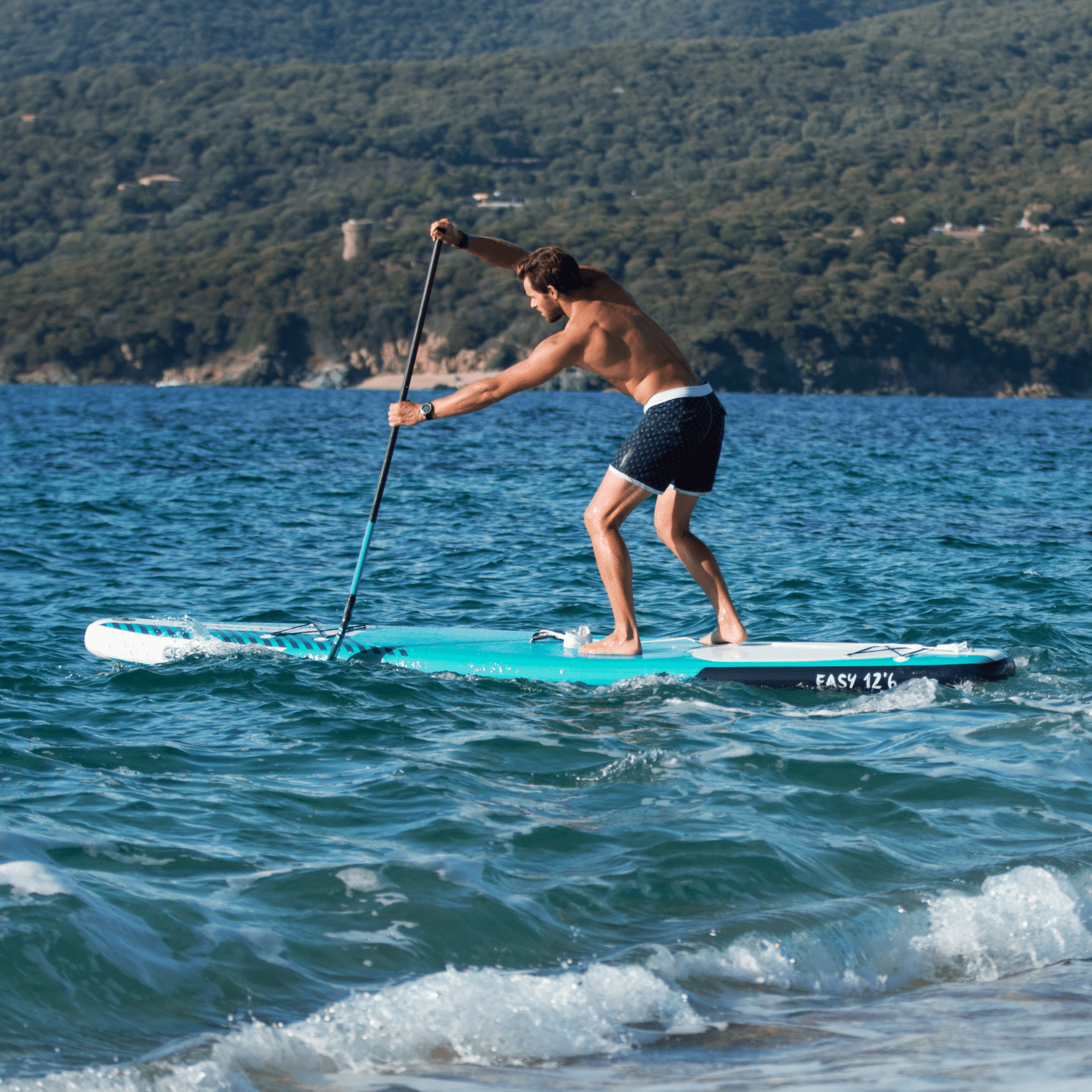
Going paddleboarding in the sea or ocean is considered open water navigation. This practice requires some customary precautions, such as checking weather and sea conditions, as well as understanding their potential evolution over time. This will help avoid being caught off guard and prevent drifting against your will.
Rules for paddleboarding in flat, enclosed water (without current)
In enclosed waters, the regulations are the same as in open waters. If your paddleboard is less than 3.5m, you must stay within 300m of the shore. If your stand-up paddleboard is more than 3.5m, you are authorized to go more than 300m from the shore. However, you must be equipped with the same gear as at sea (buoyancy aid, towing system, waterproof light device).
Regarding right-of-way rules, you must yield to all vessels over 15m and to vessels with restricted maneuverability, such as sailboats, etc. Otherwise, priority remains the same as at sea: for vessels of equal size and maneuverability, priority goes to the one approaching from starboard (to the right).

Rules for paddleboarding in flat water with current
In whitewater, the first rule to know is that leashes are forbidden! Indeed, they could get caught in obstacles (rocks, branches...) and trap you, preventing you from resurfacing. Of course, this depends on the class of the river. However, a buoyancy aid is mandatory.
In summary:
- If your paddleboard is less than 3.50m, you must stay within 300m of the coast and be equipped with at least a leash.
- If your paddleboard is more than 3.50m, you can go up to 2 miles from a shelter. You must, of course, be equipped with mandatory gear (life jacket, floating towing rope with attachment, waterproof flashlight with a 6-hour usage time).
- Always respect the right-of-way rules.
- And above all, never put yourself in danger.
If you still have questions on this topic, or for any other request, do not hesitate to contact us!