


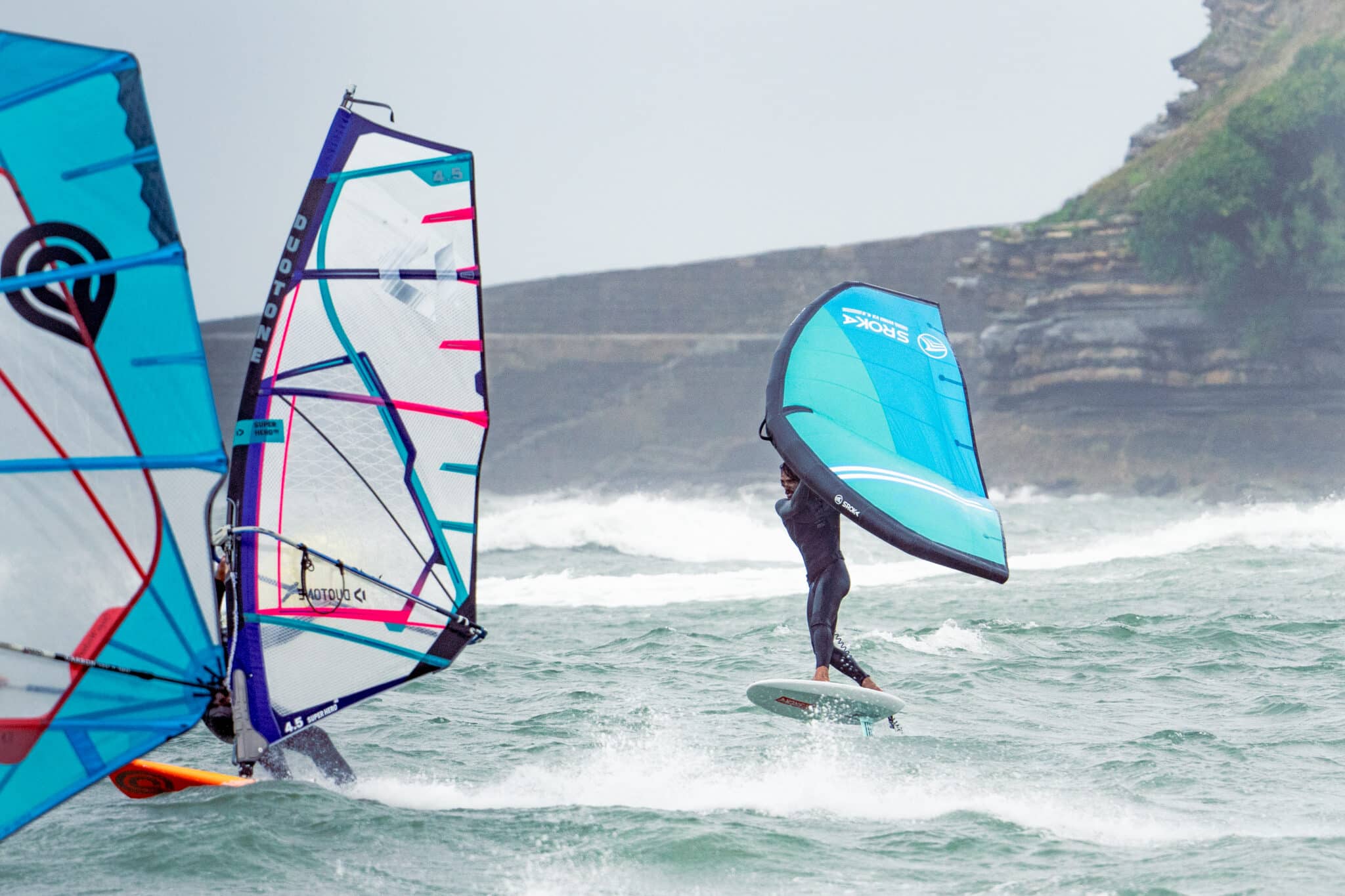
Wing Foil and Wind Foil are two activities that look very similar at first glance, so how do you choose? Both sports involve flying above the water thanks to a foil, using a board and a wing that catches the wind. While the sensations are magical in both cases, after reading this article you will know which water activity to choose based on your skill level, desires, and practice conditions.
How does wind foiling work?
Wind foiling is a fascinating discipline derived from windsurfing, offering glide sports enthusiasts new perspectives and unparalleled sensations. This water sport relies on the ability to navigate on water using wind power, but with a unique feature: wind foiling allows you to fly above the water rather than simply gliding on its surface.
How to wind foil?
To wind foil, here are some key steps to follow:
- Choose the right equipment for beginners: Opt for a windsurf board adapted for wind foiling with a foil box, as well as a specific sail and foil.
- Learn the basics of windsurfing: Master harness navigation techniques, tacking maneuvers, and sail adjustments.
- Mount the foil on the board: Properly install the foil in the board's box, ensuring its stability.
- Start in suitable conditions: Choose appropriate weather conditions and spots for beginners.
- Generate power: Use the force of the wind to generate power in the sail and allow the foil to take off.
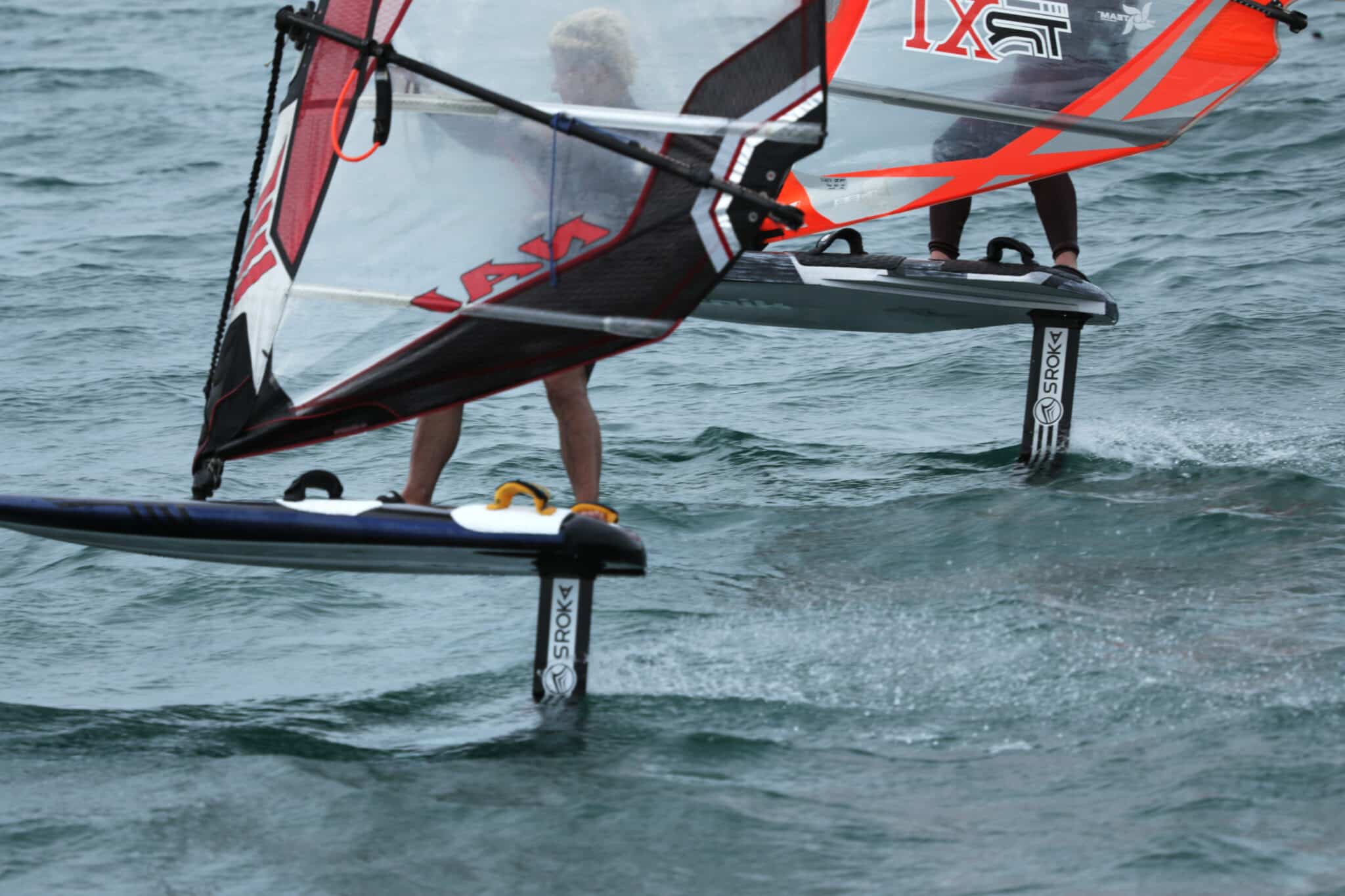
Choose Wind Surf Foil for windsurfing enthusiasts
Wind Foiling is a very popular activity among windsurfers. It simply involves adding a foil under a windsurf board. Thanks to the foil, drag is reduced and the gliding sensations are multiplied.
Advantages of Wind Foiling for windsurfers:
- Learning Wind Foiling is very fast. The board is longer and more voluminous, so it will provide more stability.
- Wind foiling is easy to master. Thanks to windsurfing basics, it's easy to get your bearings and progress quickly.
- In Wind Surf Foil, you don't need a large sail area.
Choose Wing Foil, the new discipline with many advantages
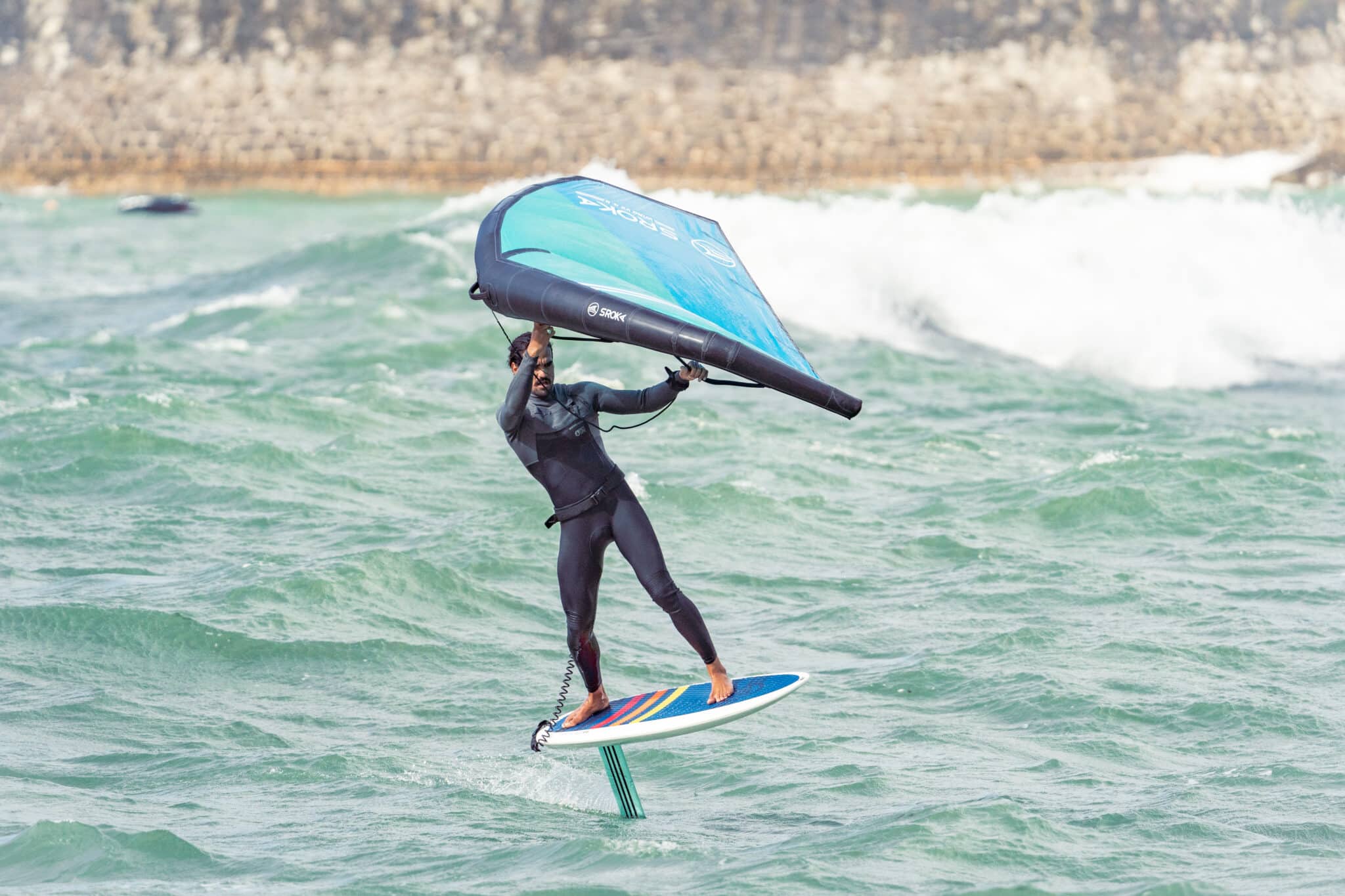
Wingfoiling is a new discipline that combines windsurfing, kitesurfing, surfing, surf foiling, and SUP foiling. Unlike wind foiling, in wing foiling the wing is not attached to the board but held by hand. This allows for greater freedom of movement.
Want to go further? Discover our comparison Parawing vs Wingfoil: advantages/disadvantages and our guide Parawing or Wingfoil – which sport for which profile?
Who can wing foil?
Wing foiling is an accessible sport for all skill levels, from water sports beginners to experts. Whether you enjoy surfing, kitesurfing, or stand-up paddleboarding, you can discover wing foiling.
What wind speed for wing foiling?
The ideal wind speed for wing foiling varies depending on the preferences and experience level of each rider. For beginners, a minimum of 15 knots of wind is recommended to ensure an effective take-off.
In summary, what to choose between Wing foil and Wind foil?
Wingfoiling and Windfoiling are two different sports that use a foil. As for Wing Foiling, it is a more accessible, lighter, and practical activity that is generally less expensive than Wind Foiling. Wind Surf Foiling, on the other hand, will be easier to learn for windsurfers.
If you still have questions on this subject, do not hesitate to contact us!
Frequently Asked Questions: Wing Foil vs Wind Foil
What is the difference between wing foil and wind foil?
Wind foil is derived from windsurfing: the sail is attached to the board via a mast. Wing foil uses an inflatable wing held by hand, not attached to the board, offering more freedom and versatility.
Is wing foiling easier than wind foiling?
For a complete beginner, wind foiling is easier to learn if you come from windsurfing. For others, wing foiling is generally more accessible due to its lighter and simpler equipment to set up.
What minimum wind speed is required for wing foiling?
For beginners, a minimum of 15 knots is recommended. With experience, it is possible to navigate in lighter winds. The ideal range for optimal sensations is 15 to 20 knots.
Can you wing foil without nautical experience?
Yes, wing foiling is accessible to all levels. Good balance and correct physical fitness are recommended. Initiation with an instructor is advisable to progress quickly and safely.
Does wing foiling allow for downwind riding?
Yes, wing foiling is excellent for downwind riding. To go even further in downwind, parawing is an ultra-compact alternative that allows you to ride hands-free and go upwind without a shuttle.