


Downwind wing foiling offers unparalleled sensations of freedom and glide. But to fully enjoy this practice, it is essential to be well-equipped. Indeed, this discipline has specific characteristics that require special attention.
Do you want to maximize your downwind sensations? Discover how to avoid the most common mistakes and improve your technique.

Part 1: Mistakes to avoid before going downwind
1. Equipment:
1.1 Board choice:
With a wing in hand, the board choice is a little less important. In effect, you will generate power with the wing, so long and narrow boards will be a bit less fundamental for getting started easily. Feel free to take a little more volume to facilitate light wind conditions. On the other hand, a board that is too wide generates a lot of drag. So, downwind wing foiling will be more enjoyable with a mid-length or downwind board. But there is no need to go to extremes.
1.2 The foil:
Opt for a foil with a large wingspan for long, effortless glides. A stockier foil will turn better but will glide for less time on swell trains. A smaller stabilizer will increase glide and maneuverability. For example, the UHA range with an Aspect Ratio of 11 will be a good choice to start with.
1.3 The wing:
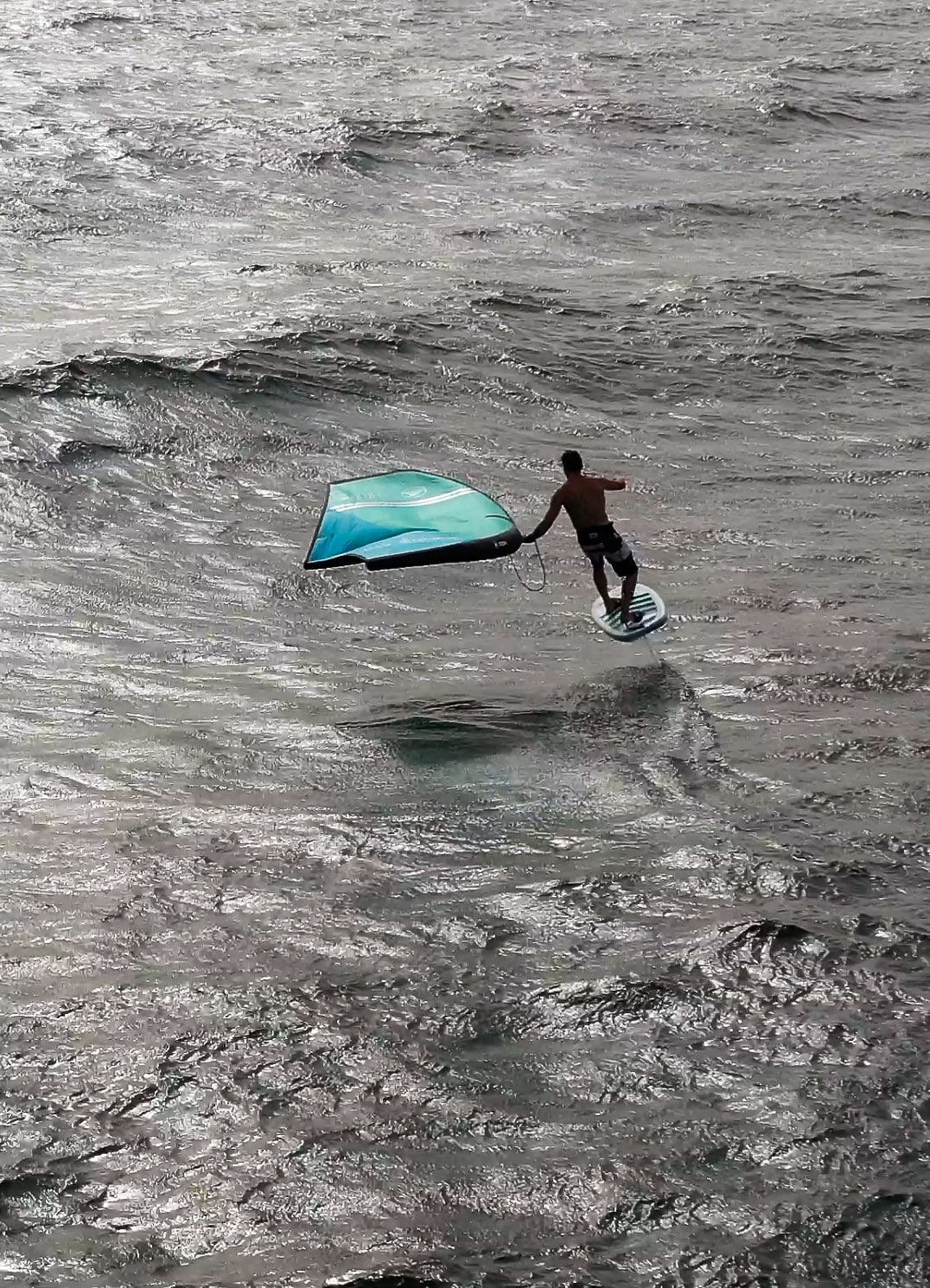
Choose a wing size appropriate for the wind strength and your skill level. Since you have chosen a foil with a large wingspan and a board with a bit more volume than your weight, you will be able to navigate with a smaller wing. This will greatly facilitate downwinding. Indeed, a small wing will be more maneuverable and playful in turns, whereas a too large wing will be difficult to control, especially in light wind conditions.
1.4 The leash:
Never neglect the importance of your leash. Choose a strong and long leash to avoid losing your board in case of a fall.

2. Weather for wing foil downwind
2.1 Check forecasts:
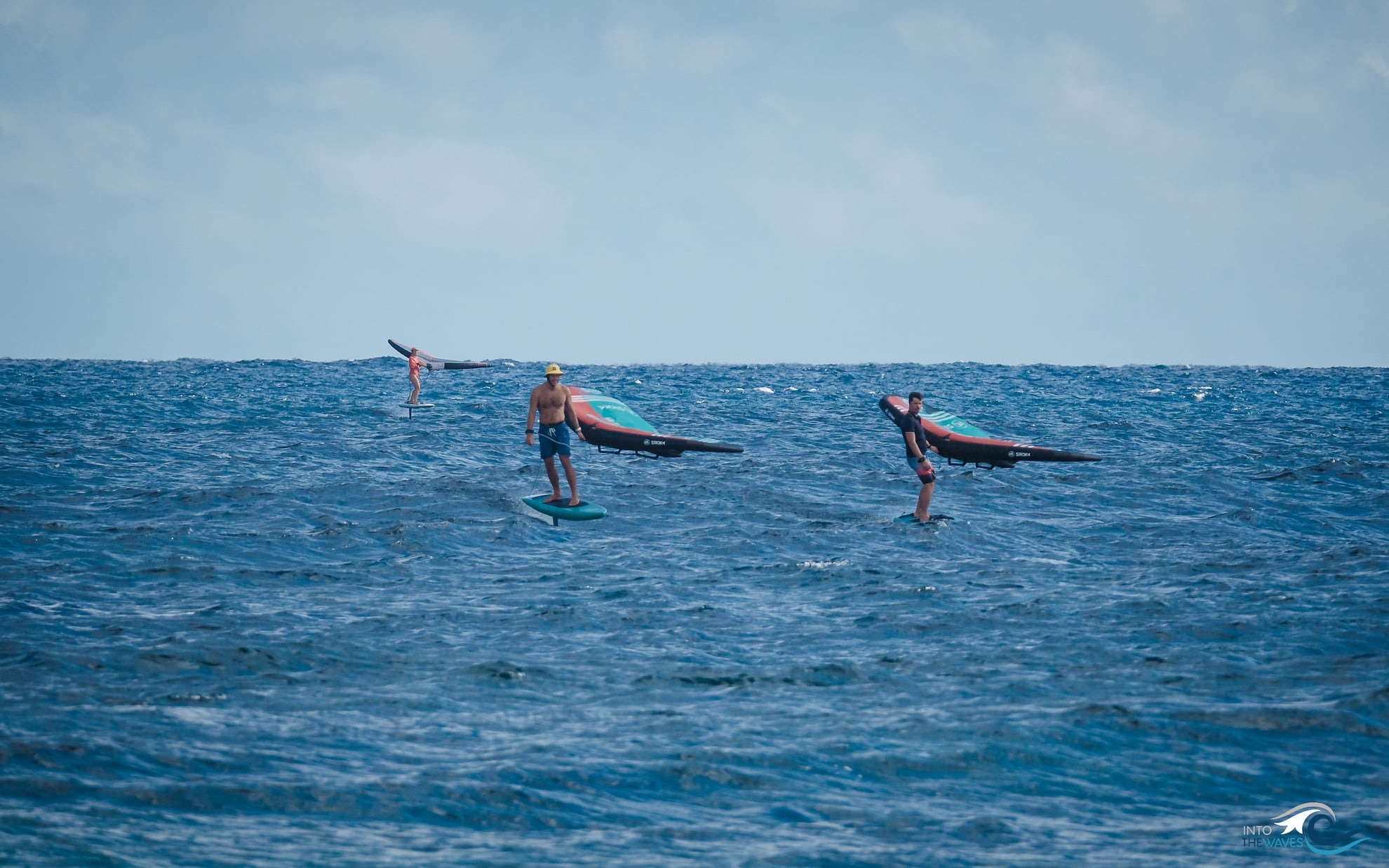
Before you leave, check the weather conditions. Verify wind strength and direction, and the presence of currents. If your goal is to go offshore, we advise you to go with others.
2.2 Adapt your equipment:
Adjust your equipment according to the weather forecast and also the location where you will be navigating. If you are going offshore alone, bring all necessary safety systems with you.
2.3 Your physical condition:
Adjust your equipment based on the weather forecast and the location where you'll be riding. If you're going offshore alone, take all necessary safety systems with you.
2.4 Warm-up:
Before setting off, take the time to warm up to avoid injuries. And always inform someone before going downwind. Far from shore, it's always harder to find someone in case of a problem.
Part 2: Mistakes to avoid during downwind
2.1 The start:
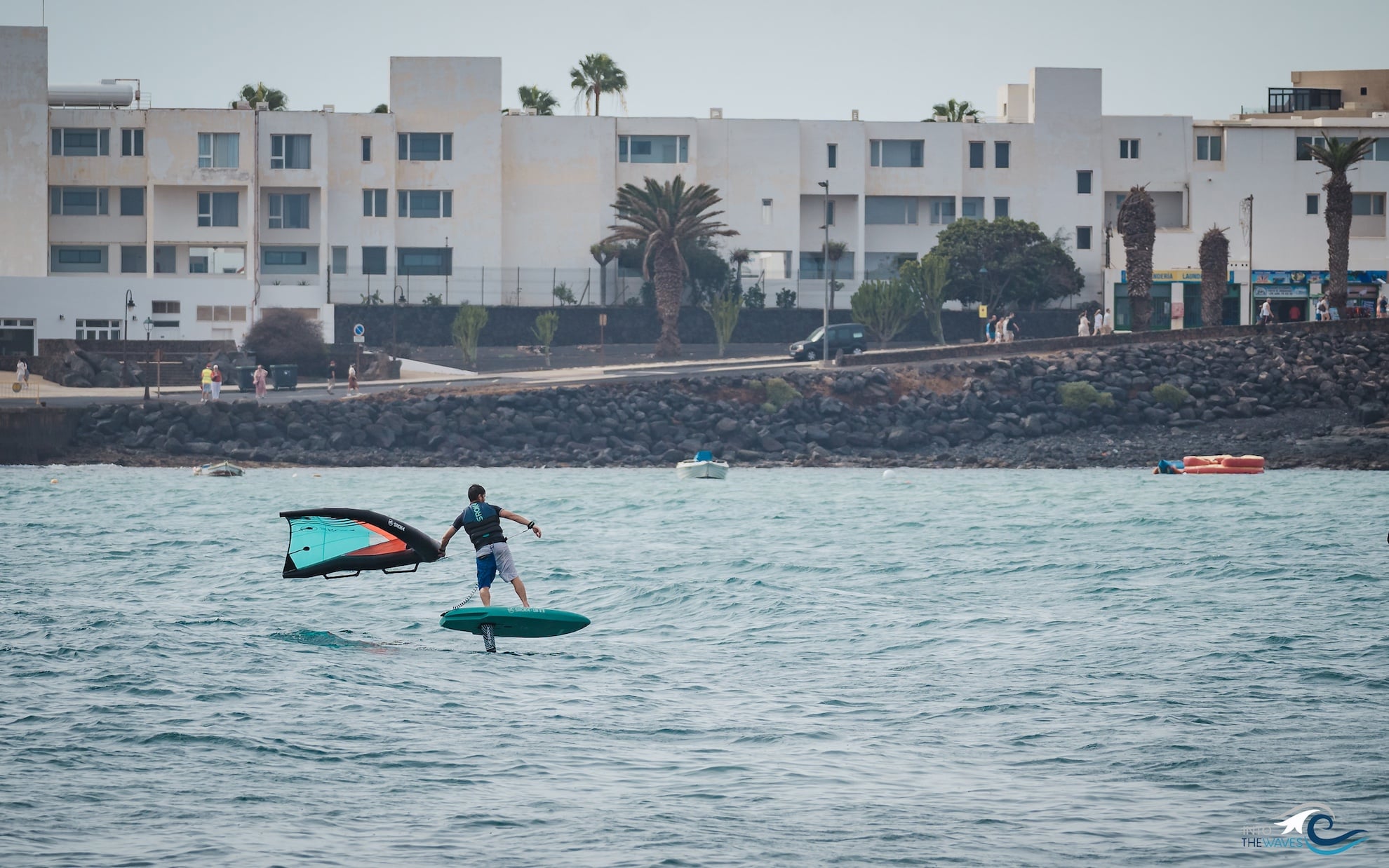
- Choose the right spot: With a wing in hand, position yourself at your arrival point and go upwind with the wing to then come back downwind in freefly.
- Be well-equipped: In this downwind wing setup, you'll be using a small wing, so a harness isn't necessarily required. However, do wear an impact vest or a life jacket, and especially a wetsuit.
- Check your equipment: It is essential to double-check your equipment before heading offshore. You don't want to be dealing with problems once you're out at sea.
2.2 Navigation:
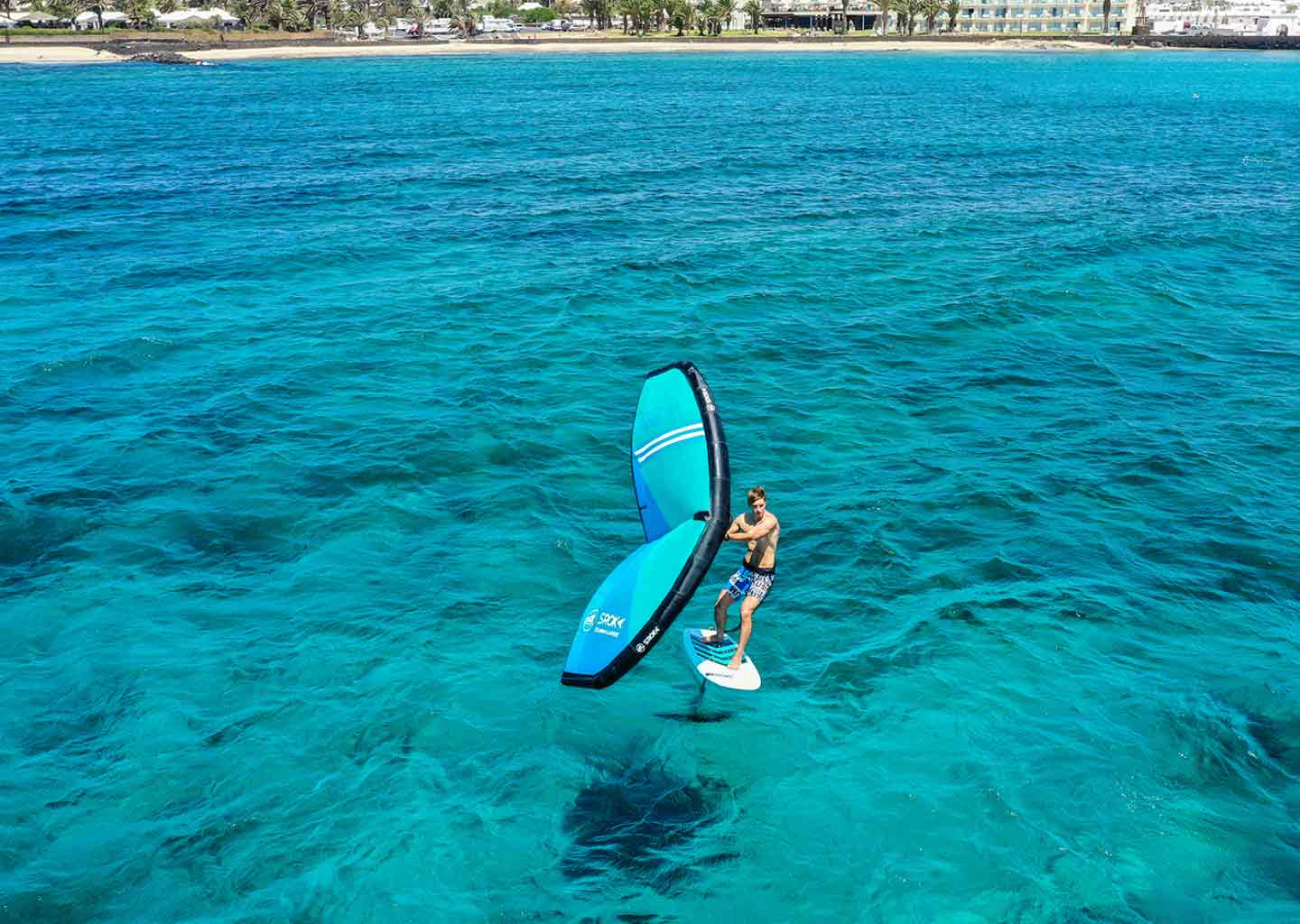
- Manage your energy: Downwinding is a long distance. Learn to pace yourself and conserve your energy. The goal isn't to come in first initially, but to fly without stopping and to have fun.
- Adapt your technique: Depending on the conditions, you will need to adapt your navigation technique, particularly your pumping efficiency and your position on the board to maintain the same stance for a long time.
- Respect others: If you are riding in a group, respect other riders and leave enough space between you to avoid collisions.
- Be vigilant: Monitor your surroundings and anticipate any potential dangers (boats, other beach users, etc.).
2.3 Anticipate to avoid unforeseen events:
- Technical problems: How to react in case of breakage. If you are far away, never leave without a means of communication. Furthermore, there are two things you should not lose: the wing and the board. So double-check your leashes to make sure they are in good condition before you leave.
- Changing conditions: Never set off without being sure that the conditions will be stable throughout your session. If the forecast predicts changes, we advise against going. In both cases (stronger wind or weaker wind), you will be in difficulty. Indeed, if the wind drops, you won't be able to get back. If the wind picks up, you will likely no longer be in good starting conditions. Too much power, less stability...
- Fatigue: To avoid putting yourself in danger, you need to learn to recognize the signs of fatigue and react accordingly.
Safety advice
If you opt for a long-distance downwind, inform your loved ones with all the details (departure time, where you're starting from, estimated arrival time), and don't hesitate to contact the Cross (regional operational surveillance and rescue center) to inform them of your route.
Don't forget adequate safety equipment for long downwinds.
- A VHF radio that will allow you to communicate with all boats and rescue services, even if your phone signal is lost.
- Impact vest (with flotation aid)
- Possibly a Secumar type belt (a life jacket that works with a CO2 cartridge and a distress flare)
- A fluorescent lycra to be seen from afar if you have a problem.
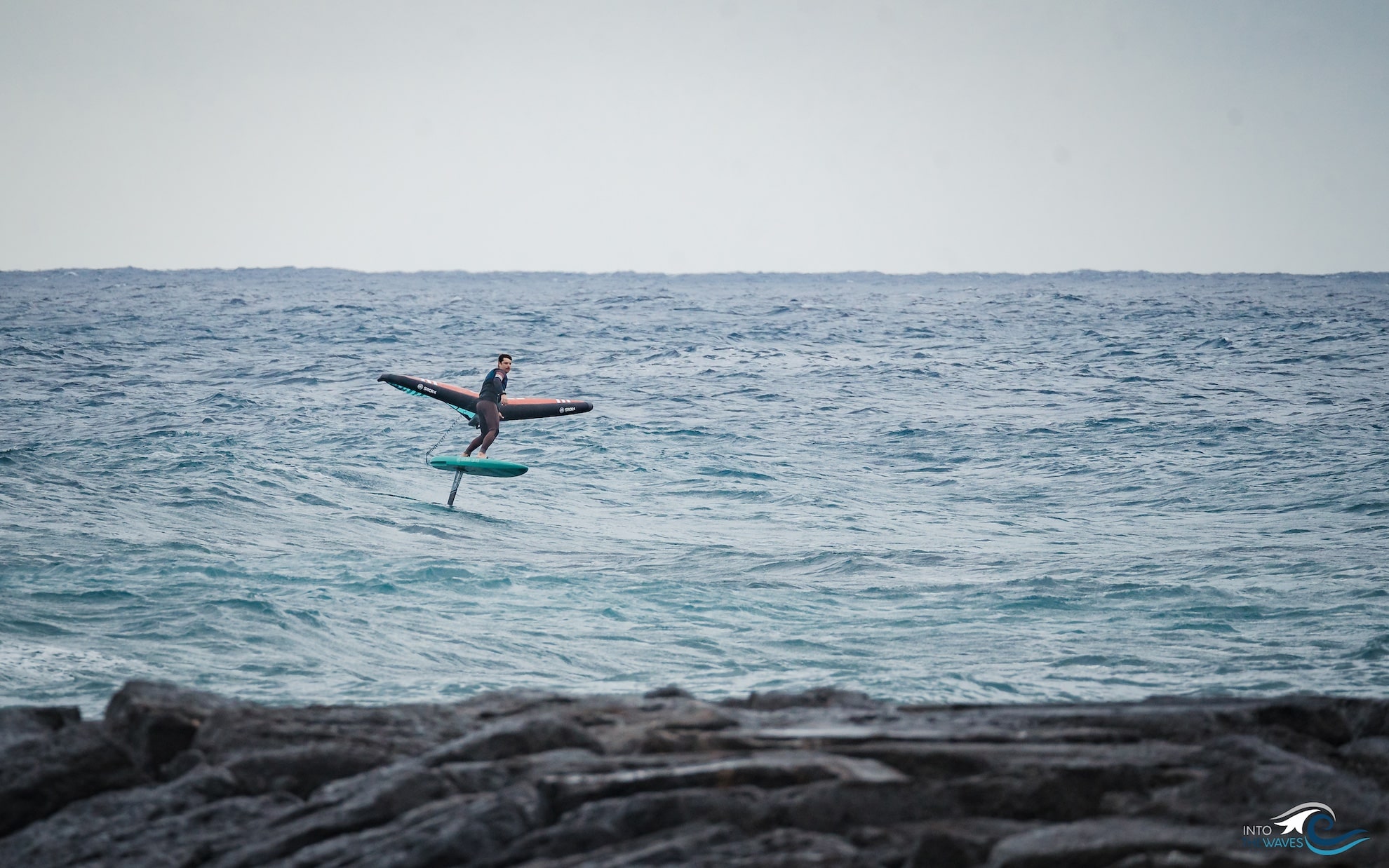
Part 3: Mistakes to avoid upon arrival
- Choose the right landing spot: If you started from your arrival point, you won't have any surprises. Otherwise, scout the area to ensure you can reach shore safely under the conditions you'll be downwinding in. Check the tide, wind direction, swell intensity, and estimated time for your downwind to calculate the time spent at sea.
- Stow your equipment: When downwinding, there's wind, so position the board's nose into the wind to prevent the foil from falling.
- Review: Analyze all elements, especially points that could have posed a safety problem, and find a solution to avoid them next time.
Downwinding is an incredible experience, but it requires meticulous preparation and a good understanding of the risks. By following these tips, you can fully enjoy your session safely. Remember to progress at your own pace and always prioritize enjoyment. The pleasure of downwinding comes from good preparation and a good understanding of the risks. This discipline requires real learning about the open sea: so learn from your mistakes to improve while minimizing danger to yourself.
The development of this activity can only happen if practitioners respect safety rules and common sense. It's your turn to play.
Additional advice:
- If possible, navigate in a group: Preferably navigate in a group to benefit from increased safety and share your passion.
- Inform your loved ones: Before leaving, inform your loved ones of your itinerary and your estimated return time. Never leave without a means of communication.
The next step is to do the same thing with a paddle. This is a step that will require more technique and experience to successfully start paddling.
If you still have questions about this, or for any other request, don't hesitate to contact us!