


You shouldn't neglect the choice of the size of your wing foil board for your progression. It's a crucial step to progress quickly and enjoy yourself. Indeed, the size of the board will directly influence your stability, maneuverability, and ability to plane. In this article, we will see how to choose the ideal size based on your level, weight, and the discipline you wish to practice.
Board choice: size and volume
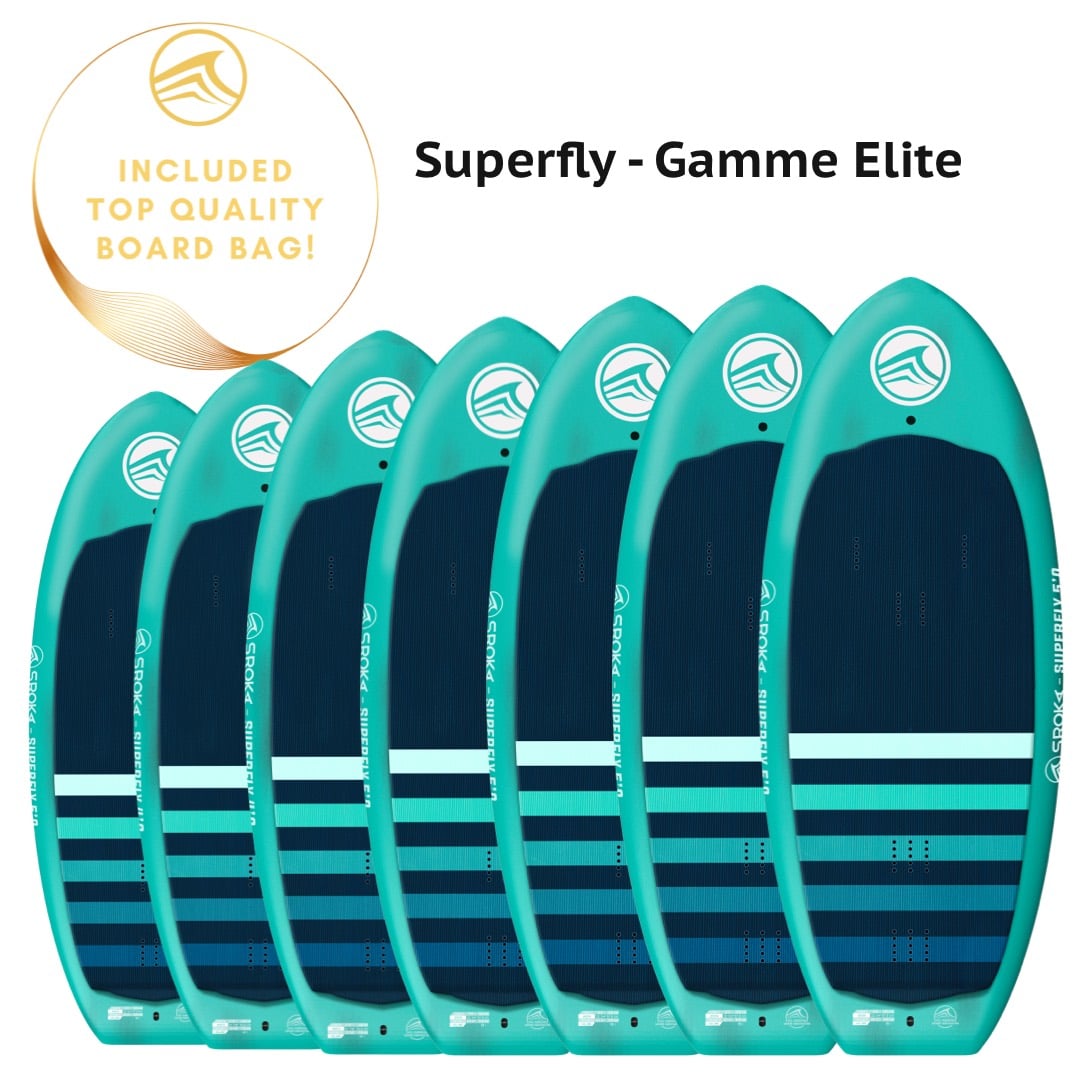
Small boards: for experts
Small boards, generally under 80 liters, offer exceptional maneuverability and great responsiveness. They are ideal for experienced riders who want to perform technical tricks and exploit the full power of the wind. However, their low volume makes them less stable in light wind conditions and may require good balance skills.
-
Advantages:
- Increased maneuverability
- Responsiveness in maneuvers
- Ideal for freestyle and wave riding or lighter riders.
-
Disadvantages:
- Less stable in light wind, requires more wind to take off.
- Require a good technical level
Medium boards: versatility
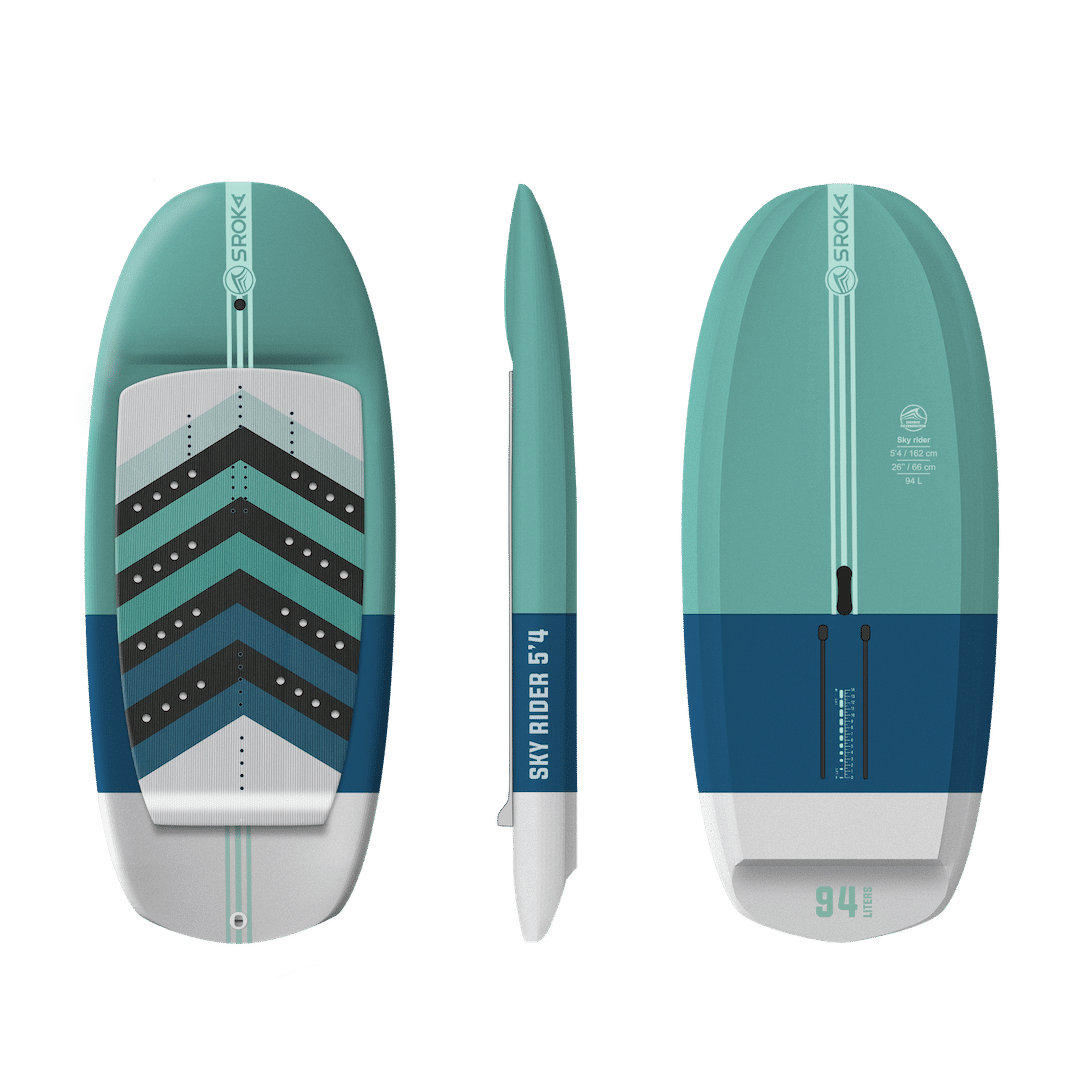
Medium boards, generally around 70 to 95 liters, offer an excellent compromise between stability and maneuverability. They are suitable for a wide range of users, from advanced beginners to intermediate riders. Their extra volume makes learning easier and allows for practicing all wing foil disciplines, from freestyle to waves.
-
Advantages:
- Versatility
- Good stability if they are wide
- Easy to learn on
-
Disadvantages:
- Less maneuverable than small boards
- May be a bit bulky for experienced riders.
Large boards: for beginners and light conditions
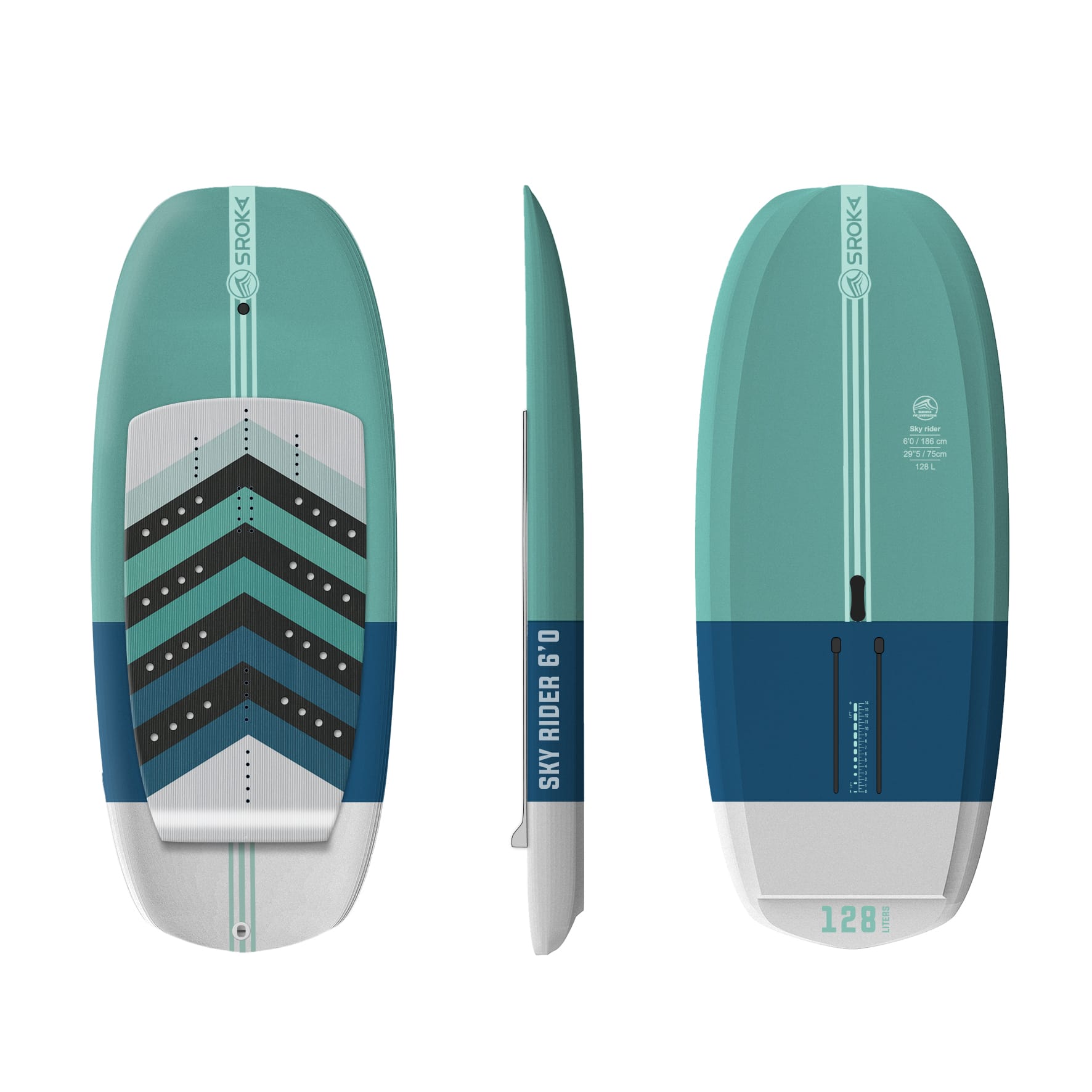
Large boards, over 100 liters, offer maximum stability (if the width is sufficient), making them the ideal choice for beginners.
For riding in strong wind conditions, smaller boards will offer more comfort and maneuverability.
Advantages:
-
- Maximum stability
- Easy to learn on
- Ideal for beginners and light wind
-
Disadvantages:
- Less maneuverable at high speed
- Can be cumbersome for transport
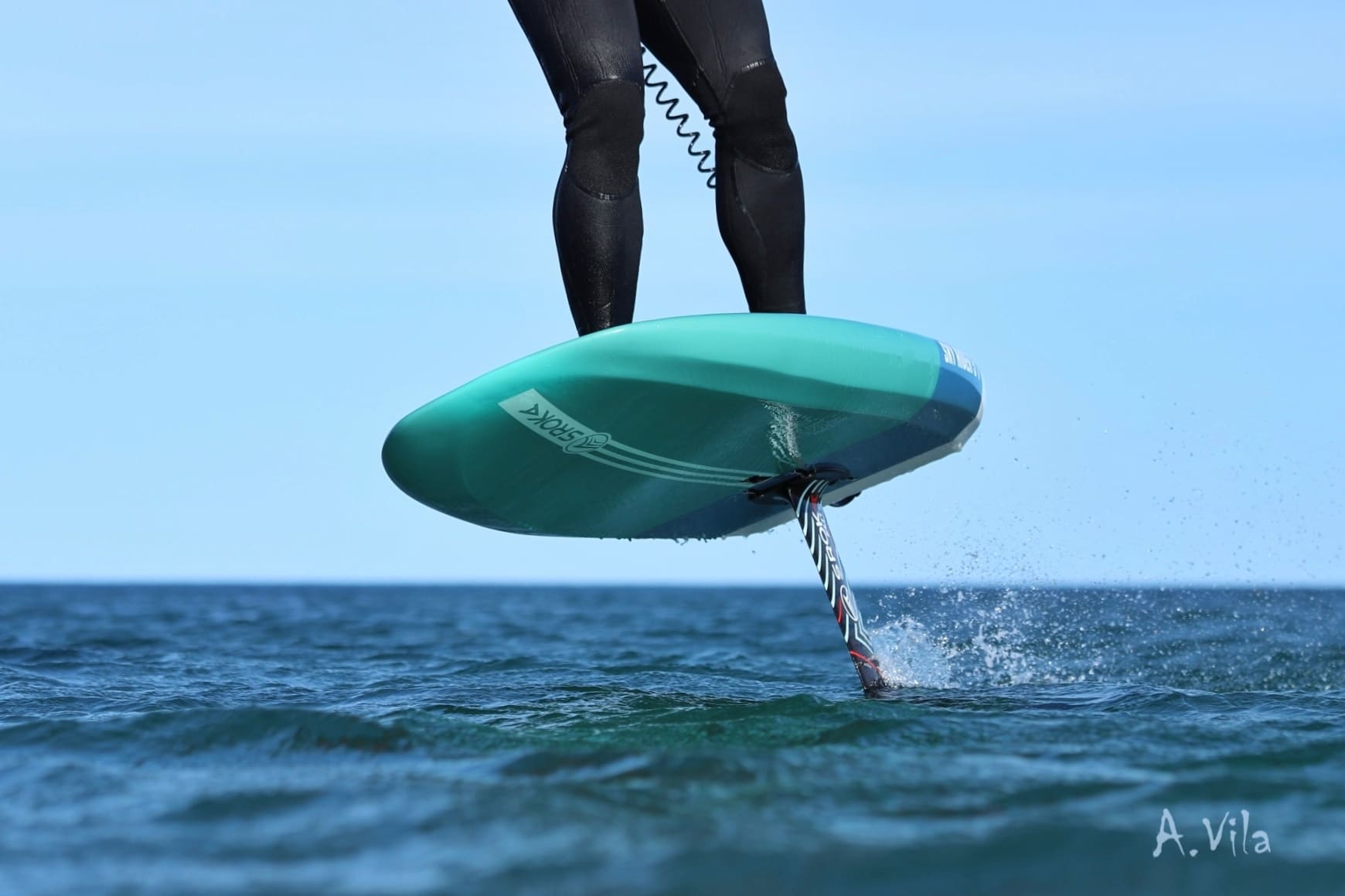
Let's delve into board sizes by level
For beginners
For beginners, stability is paramount. A board that is too small will be difficult to control and you risk falling frequently.
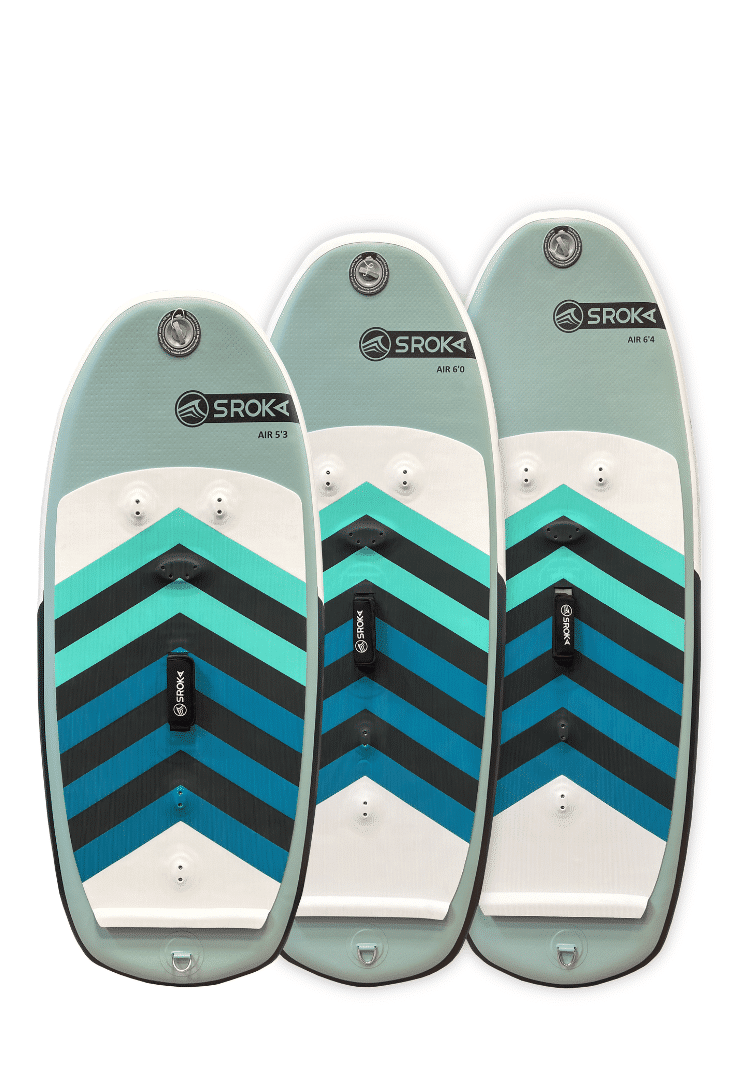
- Size: Opt for a relatively long board (between 5'4 feet and 6'3 feet depending on your build) and rather wide (28 to 30 inches).
- Volume: Volume is an essential criterion. For a beginner, a volume between 100 and 140 liters (for heavier individuals) is ideal. This will offer great buoyancy and facilitate early planing. But remember. Many people only talk in terms of volume. However, a volume is a length x width x thickness. So, you can have two boards of the same volume but with completely different width and length. This will result in more or less stability. So, don't just talk about volume, but primarily about length and width.
- Shape: Beginner boards generally have a fairly rectangular outline to provide maximum lateral stability. A rather flat rocker will facilitate glide for easy planing.
- Hardboard or inflatable? Inflatable boards are often preferred by beginners because they are easier to transport and store, and most importantly, they absorb falls. They also offer great buoyancy, which is an asset for learning. However, you will need to choose an inflatable board with approximately 30 L more compared to a hardboard. The inflatable wingfoil board will be perfect for those who want to travel easily. Conversely, the rigid wing foil board will be bulkier but more reactive underfoot. So, it will facilitate your learning but will be a bit more fragile.
For intermediate and advanced levels
Once you master the basics, you can refine your choice based on your practice and build. For experienced riders who want to ride in light wind conditions, longer and narrower boards are the best option. Their increased length facilitates quick takeoff with very little drag and allows for easier planing on lakes, for example. However, they may be less maneuverable at high speeds.
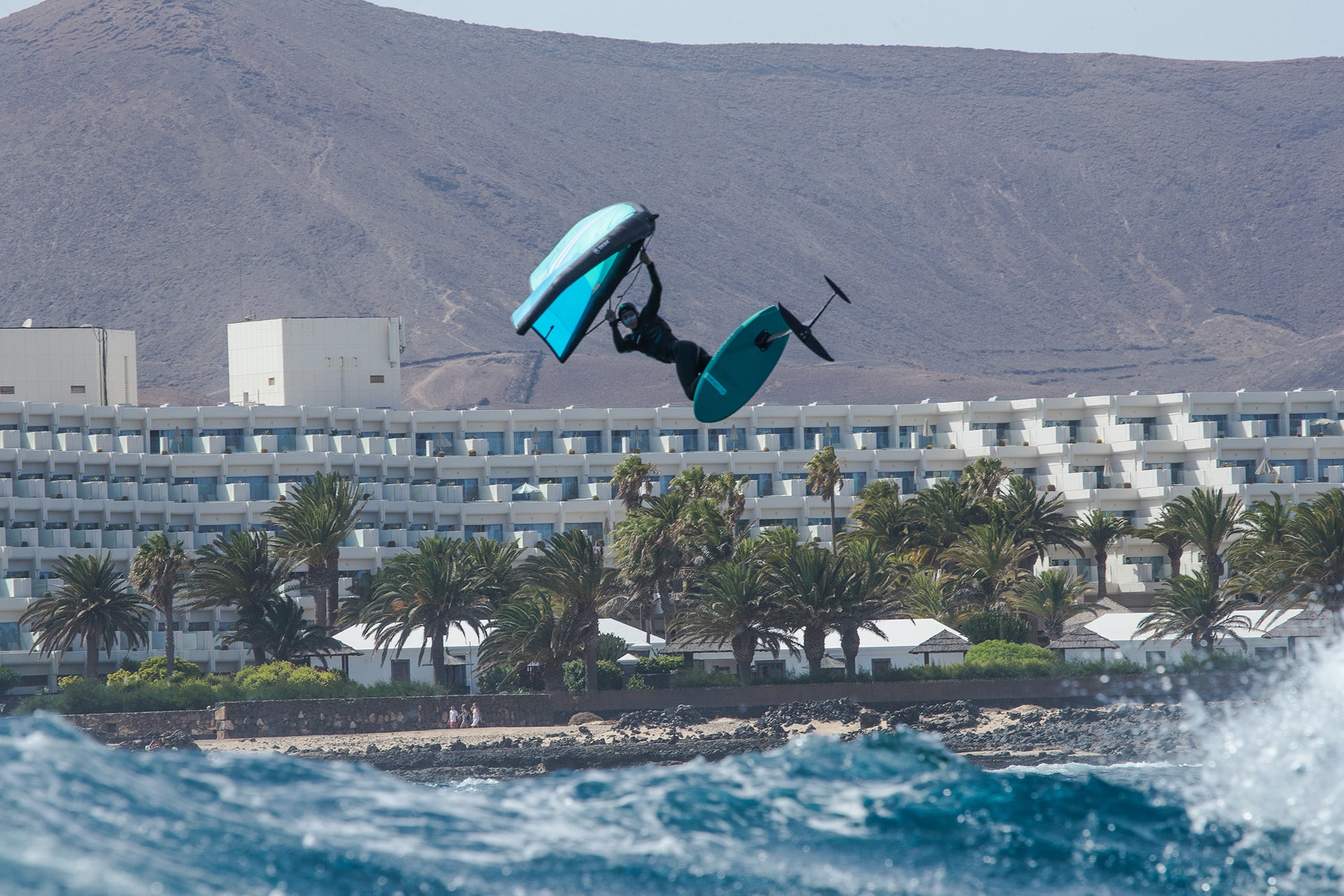
- Freestyle: For freestyle, you will need a shorter and more reactive board to perform rotations and tricks more easily. A volume between 45 and 85 liters will be sufficient.
- Race: Race boards are generally longer and narrower to promote glide and speed. The volume is lower, around 80 liters. Dimensions are around 5'7 x 20 inches wide.
- Wave: Wave boards are designed for surfing waves. They are shorter and thicker than race boards, with a pronounced rocker to facilitate touchdowns in waves. A board around 5 feet and 23 inches wide seems to be a good alternative for a rider weighing 75 – 80 kg.
- Versatile: If you want a board to do everything, opt for a versatile model with an intermediate volume (between 85 and 110 liters).
- To ride in very light wind or irregular wind. Opt for light wing, middle length, or downwind boards. They will greatly facilitate takeoff in very light wind. These boards are rather long and narrow. Ideal on a very flat body of water.
What other criteria should be considered for board size?
- Your weight: The heavier you are, the more volume you will need in a board.
- Riding conditions: If you want to ride in very light wind conditions, a middle-length or Downwind type board will be an undeniable factor in glide.
- Your riding style: If you prefer engaged maneuvers, a shorter and more reactive board will be more suitable. If you are looking for stability and ease, opt for a slightly wider board to be stable when you stand on the board.
- Versatility with other disciplines. If you only want to wing foil, you can choose a more specific and specialized board. If you are looking for versatility (Downwind and wing foil, for example), then you will have to compromise on the board choice.
Essential accessories for wing foiling
In addition to your board, you will need some essential accessories for wing foiling:
- A wing foil wing: The choice of wing will depend on your level and the riding conditions.
- A foil: The foil is the element that will allow you to plane. There are different types of foils, adapted to each discipline.
- A board leash: The leash will connect you to your board to prevent losing it in case of a fall. There are two types: the leash that attaches to the foot or to the hip.
- A helmet: A helmet is highly recommended to protect you in case of impact.
- An impact vest that absorbs shocks.
- A wetsuit: A wetsuit will keep you warm and protect you from UV rays.
Additional tips:
- Don't skimp on quality: A good board will last longer and offer better performance. But most importantly, it will be better constructed, thus stiffer, and will therefore facilitate your learning. The way a board is constructed will determine how quickly you learn. So, price should not be your only reference. Take the time to research and compare to choose the best option. At SROKA, we do everything to produce the best boards on the market in terms of performance and especially construction. We want your rigid wing foil board to be effective for a long time and, above all, to simplify and accelerate your learning.
- Try different boards: Before buying, try different boards to find the one that suits you best.
- Consider your progression: Your level will evolve, and you may need to change boards eventually. So don't take one that's too small or too big. Some of you might take a smaller board thinking you won't have to change it later.
Wing foiling is much more than just a watersport; it's a unique experience that combines thrills and freedom. By choosing the right board, you maximize your chances of having unforgettable moments. Whether you are a beginner or an experienced rider, SROKA offers a range of boards designed to meet all your expectations. So, ready to discover new sensations? Explore our collection and find the board that will allow you to glide on the water with complete serenity.
If you still have questions about this, or for any other request, do not hesitate to contact us!